Reading Always Saves Me

Mary Ann

When I look back on my life and was faced with life challenges, I always found that books saved me.  I could have been depressed or discouraged, but somehow, I escaped to an alternative world or enmeshed myself in stories about different people and places.  Books were a great bridge to better times. 

When I learned to read, phonics was taught.  It is an excellent way to teach children to read, unless you are a sight reader which I was.  Beginning phonics was a foreign language to me.  I never understood what I was learning.  I must have faked it well because my report cards don’t mention any problems.  I asked my mother if teachers ever mentioned that I had trouble reading, and she said no.  So, I read Dick and Jane, but I did not enjoy it.

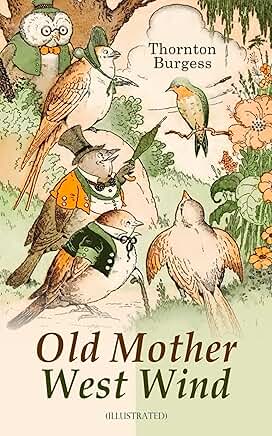
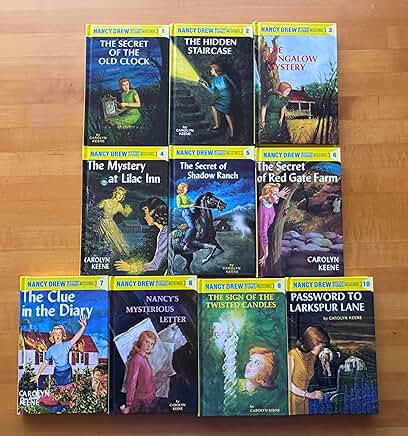
Somewhere around 4th grade, something clicked and suddenly in the middle of an Old Mother West Wind book, I was reading and roller coasting over words I didn’t know. However, I knew what was happening, and I loved it.  A flood gate opened, and I was constantly reading – maybe that was the reason I got glasses that year?  I read the entire Bobbsey Twins collection and then on to Nancy Drew.  It was easy reading with the same format – a great way for a beginner reader to get a foothold on books.   I even won a reading contest in 5th grade for reading the most books.  Truly, how could that have happened when I was flailing in the early primary grades?

By the time I entered Junior High, the forerunner of Middle School, we were reading classic literature.  If I had a kerfuffle (isn’t that the greatest word?) with some catty girls or a dispute with my mother, reading Jane Eyreor The Count of Monte Cristo or any other timeless classic, I was relieved to come home and be whisked away to imaginary worlds.  My parents would say that I always had my nose in a book, and I did!  A perfect summer day for me was to lie in our hammock being gently rocked by a breeze and read a book by a favorite author.  I would read until dark.  

Then you go to high school and college, and you are so busy that finding time to read was a real challenge. Of course, you had assigned literature to read from your classes. Thank Heavens!  So, I often would read myself to sleep catching a bit of a pleasure book, and I would always carry a book with me so I could steal moments to read.   

After those rather carefree years, you enter adulthood.  You then might spend more time reading Good Night Moon or Where the Wild Things Are to your children instead being deep in a steamy romance novel.  It is all part of growing up, really growing up.  I can remember being in grad school, teaching full-time, raising young children, and running a house, and my only reading was the People magazine once a week as I soaked in a bubble bath.  The time was precious. 

Life becomes very real when you get a divorce.  It is such a sad time.  I was reading a lot of self-help books trying to figure myself out and understanding the pain my broken heart was enduring.  I have written before how the right book always comes, and it did.  I am so thankful for that gift.  It made all the difference.  However, I missed reading books for pleasure.  It was reading to survive. 

When my children were on their own and had left the “nest,” I spent a year or so reading reflective, inspirational books.  They all helped me heal my soul and allowed me to move forward to embrace the next phase of my life where a new, independent chapter awaited.  At midlife, it was truly a foundational time.

 At work, there were always professional books to read on teaching and learning treads.  All deepening my knowledge of children.  I would read fiction on the weekends and holiday vacations, but there was never enough time to really dive into all the stories I wanted to read.  

With the passing years, my pile of books to read and my lists of new titles grew and grew. Then one day you retire.  For the most part, you must grow old to retire, and therein lies the gift of aging, you have time to read!  Thank you, Thank you!  You may need stronger glasses or bigger font to read.  They do make large print books. However, before you is an endless supply of books to read.  I have taken full advantage of this gift and enjoy reading every day.  I often have three books going at once – the nonfiction I am reading with Lisa, my nature book for book club, and whatever I find of interest on various websites or a recommendation from a fellow reader.

You know that I love books.  My blogs this month are all about different aspects of reading.  I feel blessed.  I do know that a day will come when this will all slow down.  I may have to switch to audio books should my eyes fail or turn up the volume on the various audio book if my hearing goes or I might forget what I read the day before.  I once knew an elderly lady in her 90s who told me she forgets what she reads each day but still enjoys reading it again.  I think that is a great attitude to have and just keep reading.  It might be time to get the children’s books out again, so I can read the whole book in one setting.  Maybe there will be a great-grandchild to read to as they begin reading, and I will be ending my reading.

Down 7, Up 8

Mary Ann

A few months ago, I found this Japanese proverb – Down 7, Up 8, and I thought it summed up what life is all about.  My mother always said, “Life is Hard, “and indeed she was right.  Life in one way or another is always knocking you down, and you learn early on that you must get yourself back up.  Look at a toddler.  They fall down all the time, and they for the most part (even after tears) bounce back up.  

We must be resilient to survive.  Ask any cave man!  Our downs in life are not saber tooth tigers, but they can be just as dangerous.  There are many losses in life.  Divorce or any breakup with a friend or lover can be overwhelming.  Chronic illnesses or a death of a love one can tragically break your heart.  Watching your children suffer in any way is like having the same suffering yourself.  The loss of a job or a financial crisis can be devastating. There are always challenges in life, and we must accept and adapt to them.  We must be resilience.

Resilience is defined as the ability to mentally or emotionally cope with a crisis or return to pre-crisis status quickly.  I have been down and out many times in my life for one reason or another, and I am sure you have been there as well.  Sometimes it was very hard to get back up, but really there was no other choice but just do it!   You must adapt to handle the situation, and hopefully, the challenges will help you grow stronger, so you are ready for whatever is next. 

I strongly believe that most problems have a solution if we put the time and energy into solving them. That is resilience in action.  Look how resilience the natural world is.  Nature is always teaching us lessons to live by.  After devastating wildfires, tiny green shoots fight their way through the ashes to survive. We need to fight our way upwards again as well.

For thousands of years, humans have been falling down and getting back up.  I guess it is part of the human condition, and we humans have documented it with the written word in proverbs, sayings, and quotes.  The ancient Japanese culture captured the essence of resilience in just a few words. – down and up.  In ending, there is another quote that I also thinks captures the meaning of resilience – If you are going through hell, keep going.  I can identify with that.  I am sure you can too. 

Merit Badges

Mary Ann

I imagine when you were young that you were a member of the Cub Scouts or the Brownies.  As you grew, you then became a Boy or Girl Scout.   During those years, you earned Merit Badges in areas that you wanted to learn new skills or to develop a new interests.  I often wondered what would happen if we could still earn merit badges into adulthood.  What would that look like?

There would probably be badges for good parenting or kindness.  You might earn one for excelling with finances or cooking. The possibilities are endless.   I wonder if we would wear them with coordinating sashes to match our outfits or attach them to our computer cases.  People would be bragging about their earned badges on social media.  There might be reality shows with competitions to win them.  Maybe earning badges would change the world for the better because you must be a good person to receive one.

So, what does it mean to be a good person?  I think a good person is a kind person and a kind person is a good person.  Kindness is the quality of a person who is friendly, generous, considerate, caring for others and oneself, empathetic, courageous, uplifting, and a strong desire to make things better without reward. If you live those qualities – walk your talk – you are a good person.

Now, if we had grown-up merit badges, there would have to be a list of requirements to earn it, just like scouts do.   Let’s look at some possible badges to see what we would have to do to achieve it. 

Good People for People Badge –

SMILE

Donate to Charities

Volunteer

Do Small Kindnesses for Others (like holding a door for someone)

Feed People

Help Children and the Elderly

Good People for the Earth – 

Support Clean Air for all

Support Clean Water for all

Protect Endangered Animals

Drive Electric Cars

Use Alternative Energy – Wind, Water, and Solar

Recycle Everything 

Eliminate Land Fill and Floating Ocean Trash

Love Your Country by caring for it

Good People for Yourself – 

Exercise

Eat a Balanced Diet

Hydrate – 8 Classes a Day

Practice Meditation and Mindfulness

Socialize 

Be a Life-Long Learner

All the requirements are good things for all people. It is being kind to everyone, the Earth, and yourself.   I think this could incent individuals to be better people for the best possible world.  We really don’t need merit badges, but if that would help to encourage people, let’s go for it now!

Note – There is an actual company that makes merit badges for adults. Winks for Days (winksfordays.com) has an array of badges for every big girl and big boy to show-off their accomplishments.  The badges are $10, and they created pins as well.  Do you need a badge for flossing or taking your vitamins or watering  your plants?  Winks has them and many more.  Check it out.   

Ikigai  

Mary Ann

You may or may not have heard of Ikigai.  The word has been showing up in the news recently.  Ikigai is Japanese for a reason to live.  It is about purpose.   As retired people, it is sometimes hard for us to give up our purpose which for the most part was our work.  It is our identity.  That is why some people cannot stop working. The Japanese do not have a word for retirement.  They plan on being busy for their whole lives, living with purpose.  It seems to keep them living long lives. 

Hector Garcia and Francesc Miralles in their book, Ikigai, The Japanese Secret to a Long and Happy Life studied how Japanese who live in Okinawa, a Blue Zone community, live. There, individuals live into their 90s and many well into their 100s. What were these people doing to live long healthy lives?   Their lives had meaning because they have purpose, Ikigai.  Garcia and Miralles interviewed a hundred residents that resulted in five areas that enhanced aging.  They included: don’t worry; cultivate good habits of eating, sleeping, and exercising; nurture friendships every day; live an unhurried life; and be optimistic. One person said, “The secret to a long life is going to bed early, waking up early, and going for a walk. Living peacefully and enjoying the little things. Getting along with your friends. Spring, summer, fall, winter…enjoying each season, happily.”   The little book is full of many ideas for living a good life! 

The book ends with The Ten Rules of Ikigai:

  1. Stay active; don’t retire
  2. Take it slow
  3. Don’t fill your stomach
  4. Surround yourself with good friends
  5. Get in shape for your next birthday
  6. Smile
  7. Reconnect with nature
  8. Give thanks
  9. Live in the moment
  10. Follow Your Ikigai

Each of us has a passion or talent that we know and maybe one yet to be discovered. That can be your Ikigai.  It does not have to be a full-time job.   When I retired, it was hard for me to not be productive every day.  For 40 years I was doing all the time, and I just couldn’t get that out of my head. I felt guilty if I took time to read or sit outside enjoying the sunshine, just being.  I thought I had prepared well for retirement.  I had made plans to keep myself busy.   However, I was still worrying about productivity.  I just couldn’t let it go. 

After reading this little book and studying Ikigai, I realize you don’t have to be productive in the traditional sense.  It is about being busy with things that inspire you and nurture your soul.  It may mean knitting or reading or cooking or gardening or crafting or volunteering or writing a blog.   You make your own Ikigai.  You bring meaning and purpose to your own life on your own terms.  Now, go find exactly what that is and enjoy the unfolding of your days as you discover your Ikigai!   

Monikers

Mary Ann

How can I help you, Young Lady?  How many times have your heard this?  Does it make you angry or insult you?  Among my friends, there is mixed reactions to being referred to as a young girl with gray hair.  

It only seems to happen to women.  I don’t recall my father being called young man.  I am not sure you know a husband or father being called that.  I don’t think older men would put up with it.  As older women, we tend to do so.  I guess we don’t want to make a scene, no matter how angry it makes us or how insulted we are.  It is not worth the effort!

However, a moniker is an informal term for a name, nickname, alias, or handle and is often used to describe someone or something with a characteristic label.  The Big Apple is a moniker for New York City.  So that kind of moniker is a positive use of a name.  It is debatable if young lady is a positive moniker.

When we are called young lady, maybe we should try to see it in a more positive light.  At least, you are being recognized when you are addressed.  Maybe the person is really giving you a compliment trying to make you feel special.  Most of the time, it is a young person greeting you.  They are not saying, “Hello, Old Lady.”  I think that often Miss is a better way to acknowledge you.  Since we are women of a certain age, we often are taken good care of by the waiter or clerk afterwards. 

I think as women of certain age, we should smile rather than grumbling about the moniker.  We can give grace.  We can show the young person we are classy ladies.  If you feel that you need to say something – that “young lady” makes you uncomfortable, say it.  The person probably didn’t give it a second thought but will think about it in the future. 

As I was writing this blog, the phone rang, and an appointment clerk had called to verify a doctor’s appointment.  When the person was hanging up, she said, “Goodbye, Hon.” I know her so it was an endearment and not an insult.  Life is too short to dwell on such a small slight.  So next time you are addressed as young lady or sweetheart, be a sweetheart and give the person a smile.  Take it as a compliment.  It will make the world a little brighter, and we need more of that!

Exercise Snacks

Mary Ann

I recently came across an article on Exercise Snacks.  Now, the definition of a snack is a small amount of food eaten between meals. Exercise snacks reflect the same philosophy with activity, as snacks do to food. Exercise Snacks are doing a small amount of movement from 30 seconds to 5 to 10 minutes of activities. It can be as simple as climbing the stairs to walking around the house to dancing to a favorite song.  It can also be gardening or housework – all activity counts!  

Dr. Howard Hartley, a cardiology, in 2007 coined the term Exercise Snacks.  These little burst of exercise or movement help elderly people to mitigate physical decline as they age.  The small amount of movement can have an impact on chronic conditions like heart disease, high blood sugar, and even dementia.  Every little bit of activity can make a difference in your overall health. 

Exercise Snacks can be done by all of us of a certain age.  We can take the stairs a time or two more a day.  We can walk around the neighborhood or around your house.  You can hop on a stationary bike for a five-minute ride and if that is too much than do it for two minutes.  Start out with baby steps and work your way up to longer sessions.  These small changes have big rewards and can support behavioral changes that develop habits.  It is hard to get started and to keep going when exercising. 

I have been kind of doing Exercise Snacks without knowing what it was called.  You probably have too.  However, since reading the article, I have been more conscientious regarding every movement I am making and that they will add up to better results if I keep doing them.  The bottom line is not to be sedentary.  Every household chore that I do adds up to more movement.  

Of course, it takes me a week to get my Christmas decorations up and then down rather than a weekend as in the past.  I am slowing down, but I am still moving.  That movement is making me healthier physically and mentally.  I need to celebrate that, and the little victory dance that I am doing now is yet another kind of movement.  If I miss a day because I have low energy, there is always tomorrow.  You can always begin again.  Piggyback on regular daily activity by adding a little exercise – an example, while washing dishes, do some heel raises.  When watching TV, do chair exercises.  Sitting is passive so adding some movement changes everything making you more active and being active makes you healthier.  It is time to begin Exercise Snacking  – Bon Appetite for better living!      

Five Types of Wealth: Social

Wealth, as a concept, is often narrowly construed as a matter of finances—a sum of assets, investments, and monetary resources. However, true prosperity is multidimensional. Over the years, scholars, thought leaders, and personal development experts have increasingly recognized that wealth comes in various forms. Sahil Bloom (whom we have previously reviewed) looks at wealth in terms of time, mental, physical, financial and social.

Social Wealth, so to speak, relates to one of my goals for 2026. I aim to make at least one new friend this year.  An article on relationships I recently read indicated that most people have five close friends and about 150 others. Those 150, I call acquaintances. I enjoy their company but likely would not call upon them if I needed something. Although if truth be told, I would gladly come to their rescue if they called me. Go figure!

Social wealth is the fabric of relationships and connections that enrich an individual’s life and empower communities. Unlike financial wealth, which is measured in currency, social wealth is measured by the quality, quantity, and depth of human interactions, networks, and communal bonds. Social wealth is built on trust, reciprocity, and shared values.

Strong social ties can buffer adversity, provide emotional support, and offer opportunities that might not be accessible otherwise. People with robust social wealth tend to experience greater happiness, resilience, and longevity.

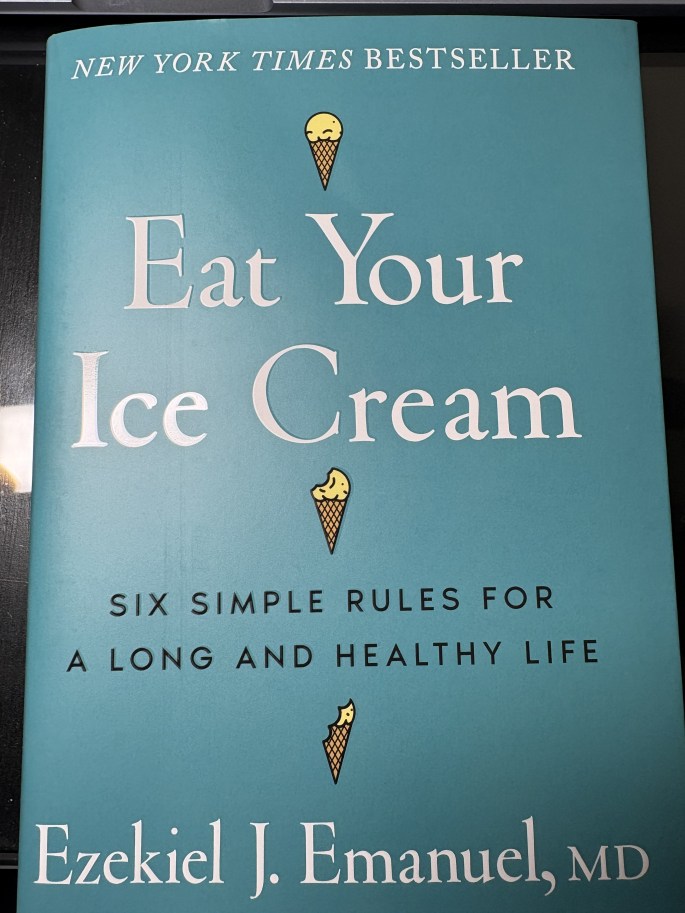
Dr. Ezekiel Emanuel recently appeared on CBS Sunday Morning, talking about wellness. Interestingly, he identified social interaction as essential to wellness and longevity.  Dr. Dan Buettner of “Blue Zones” fame similarly identified relationships having a positive impact on people’s lives. Dr. Emanuel suggested one should not eat alone. Even if you don’t a have someone to eat with, you could strike up a conversation with someone sitting near you at a restaurant. (Personally, this would be difficult for introverts, but I understand his motivation.)

Building social wealth takes time and requires intentionality. Most people want to have others in their lives.A friend and I were discussing relationships, and we both agreed that nurturing them takes time and effort. She expressed frustration with a friend who regularly joined her for dinners, either out or at her place, but never reciprocated the invitations. Sometimes, it might be necessary to be the “instigator” in such a relationship. Some people simply don’t put in the extra effort, perhaps because they don’t know how. However, that’s a topic for another conversation.

In today’s digital era, social wealth extends beyond physical boundaries. Online communities, professional networking platforms, and global connectivity offer new ways to forge relationships and build influence. Mary Ann and I have Zoom conversations a couple of times a month. Although we live 1500 miles apart, we can continue a connection by seeing each other on our computer screens. We have virtual “coffees” which are just as effective and meeting at a local coffee shop.

Research consistently finds that social wealth is a major determinant of well-being. People with strong social connections have lower rates of depression, anxiety, and chronic illness. They are more likely to recover from setbacks and achieve personal and professional success. In many societies, especially those driven by capitalism and competition, financial wealth is often celebrated as the pinnacle of achievement. Yet, as myriad studies and lived experiences show, social wealth may be the most enduring and undervalued resource. Friendships, family, and communal support can outlast fortune, status, and power. In moments of crisis, it is social wealth—not financial wealth—that most reliably sustains individuals.

So as retirees, what can we do to expand our social interactions?

  • Join and participate in local groups: Whether a sports league, volunteer organization, or professional association, being part of a group fosters connection.
  • Practice gratitude and generosity: Express appreciation for others and offer help when possible.
  • Develop communication skills: Honest, empathetic communication deepens relationships.
  • Pursue shared interests: Hobbies and passions bring people together in common purpose.
  • Maintain regular contact: Reach out to friends and family, even if just to check in.
  • Embrace diversity: Value relationships with people of different backgrounds, cultures, and perspectives.

Ultimately, to live fully is to cultivate social wealth as a guiding star. In doing so, we build lives and societies marked not just by prosperity, but by meaning, resilience, and joy. Best wishes to you; I’m on my way out to find another new friend!

An Alternate Look at Wellness Goals

In a few short days old father time will fade out and the new year baby will take center stage. This is the time when we begin to regret the rich foods and extra drinks we have enjoyed during Chris-Thanks-O’Ween. We resolve to exercise more, eat healthier food, and cut back on all the goodies that are now evident on our bodies.  As the saying goes, “a moment on the lips; a lifetime on the hips.”

Overall I am a pretty healthy eater by choice. The semi-annual blood tests remind me I also need to be healthier by recommendation – of the doctor! I find that if I move during the day, avoiding the sedentary lifestyle that comes with colder, darker days, I do feel better.  I’m not alone. Many people are thinking about lifestyle goals with enthusiasm as the calendar reminds us of another rotation around the sun.

This year let’s look at wellness from a broader perspective. The term wellness has been around for quite some time and is often paired with the word health – as in Health and Wellness. Wellness refers to so much more than exercise and diet, although those two factors affect overall wellness much more than we give them credit.

Wellness is the active pursuit of lifestyle choices that leads to a state of good health, holistically. Rather than looking only at those things that cause illness, it considers the integration of mind, body, and spirit.

Early in this millennia, I developed a model for balanced living. Honestly, it was my interpretation of the Hindu philosophy of chakras, which at that time was relegated to the “woo woo”. Over the past twenty-five years, the system has been mainstreamed by several entities, embracing the reality of wholeness. In a nutshell, wellness (or life balance) can be achieved by awareness of physical, emotional, occupational, social, creative, intellectual, and spiritual aspects of your life.

Physical, obviously, has to do with nutrition, exercise, and even sleep patterns.

Emotional focuses on managing feelings, building resilience, feeling connected.

Occupational is finding satisfaction in work, volunteering, or tasks that give you a sense of self.

Social is fostering positive relationships, finding community, and eliminating unhealthy interactions.

Creative has to do with self-expression which can be manifested in a number of ways. Not just artistically or in singing, playing an instrument, or painting, but also in the way we dress, how we carry ourselves, our approach to celebrating, and so on.

Intellectual refers to mental stimulation and may include reading, writing, puzzles, etc.

Spiritual relates to identifying your purpose, your values, and finding meaning in your life.

Each of these facets in your life are components of wellness. Together, they comprise who you are; how you see yourself; and how others view you. Finding wellness, as a whole person, can bring happiness and improved health.

I wish for you, our dear readers, a healthy, happy, 2026 and wholistic wellness.

Checklist for Healthy Holidays

This time of year can be fun and exciting. As the holiday season rolls around, we can also feel the pressure of more spending, additional calendar entries, richer food – all leading to an unhealthy feeling. Let’s revisit some tips for “sleighing” the holidays, as the youngsters might say.

You could go to a wellness retreat, starting at $6,500 … or you could review the following suggestions:

  1. First things, first. Take care of yourself!

We can get quite caught up in the holiday spirit. We want to say “yes” to every invitation, activity, event, and seasonal only opportunities.  I get it. It’s the most wonderful time of the year. Still, as throughout the year, taking care of your physical needs is important. We push ourselves to meet the self-imposed (or other-imposed) deadlines, putting our own needs aside. At our age, it is acceptable to prioritize the need for rest.

I find my list has a lot of “carry overs” because I get tired before the end of the day. When I push myself to do “just one more task” I end up overexerting and feeling exhausted. Most of those tasks are not as important as they seemed at first. A little exercise is invigorating and helps reduce some of the stress your body is experiencing.

Good physical health leads to better mental health.  Make a plan. Set priorities. Participate in only those things you really want to do. You’ve earned the right to say “no”!

You don’t have to say “no” to all the rich and yummy food that appears this time of year. Again, make healthy choices. Eat a cookie and a piece of cake and enjoy every morsel. Just follow your preset quality and quantity goals to avoid overindulging.

  • Know the stressors.

Be aware of your limitations: Not only your physical but also financial. Set a budget and stick to it. If you are as I am, Christmas brings out the uber generosity.  I want to pay the repair people extra for their trouble. I want to buy the grandchildren everything they want. I want to treat friends to coffee, lunch, and cocktails. But I also have to remember that the income I have is the income I have. No more is coming in and I’m not looking forward to an annual raise. As my children and grandchildren get older, they actually want less. They, too, have budgets. Keeping the spending down helps them to feel less pressure.

  • Set boundaries.

The year has been somewhat contentious. Holiday gatherings are not the appropriate places to have political or other controversial conversations.  Even when it is someone else broaching an uncomfortable subject, you can arm yourself with “topic-changers.” Be prepared to tell a story about a funny childhood memory, or a new food you tried. Ask about their further holiday plans or a recipe they might have made as a contribution to the buffet. On occasion, someone may push the topic, even after you have attempted to steer away from it.  Be prepared to say some like “I would appreciate it if we didn’t discuss this right now” or “let’s find a lighter topic to discuss.”  Other people at the gathering will appreciate your ability to set the stage for pleasant interactions.

  • Do something meaningful.

Meaningful is different for each of us.  You may engage in a walk. Visit a neighbor. Call or Zoom a distant friend. Write holiday cards.  If you are lonely or missing a loved one who has passed, you might try an adult coloring book or journal your feelings.

Non-profits especially appreciate volunteers this time of year. Helping a registered organization reminds us that with all of our aches and pains and occasional sadness, we are still fairly well off and have a lot of blessings.

Sit back for a moment. Relax. Think of three things you for which you are grateful. Then put a smile on your face and take in a breath of cold December air. Enjoy the holiday season. Spring is just around the corner!

Angel Phone Operators

Mary Ann

When we were children, there were phone operator – a real person – who would help find a telephone number or other information.  They were the good old days.  Boy, do I miss real people.  I bet you do too.  This brings me to a story about being thankful, making this Thanksgiving time of year even more meaningful. 

My mother use to say that God had two angel phone operators.  One angel was the please prayer operator and the other was the thank you prayer operator.  She would say that the please operator was constantly busy. People would ask for things all the time – please, please, please!  The thank you operator was hardly ever busy.  Apparently, people didn’t thank God for his help.  My mother told me that it was my job to keep the thank you operator busy.  I needed to thank God for all my blessings.  I took her at her word.  I always thanked God.  I still do at the end of each day.  

During the Thanksgiving season, we do think more about our blessings and are thankful for them.  If we could just keep those feelings throughout the year, we would all be better off.  There are all kinds of studies that support that gratitude brings peace to our souls. It keeps us both mentally and physically healthy.  

When I said my prayers as a little girl, my mother and brother and I would say three prayers.  Now a Lay Me Down to Sleep which is well-known, but we would say two other prayers that I have never heard anywhere.  I am going to share them because they are sweet, and I hate to think they will be lost when I am gone. Here they are:

Prayer 1

When I kneel down to say my prayers,

Each word goes climbing on the stairs,

On wind and ear to God who listens and rejoices 

 to little children’s thoughts and voices.

Prayer 2

Jesus, I kneel down to pray 

Thank you for another day

With hands to feel and eyes to see

And all my loving gifts to me.

Help me in the way I walk. Teach me the way I talk

Guide and bless me from above

Jesus, it is you I love. 

Do any of you know these prayers? They will both keep the thank you angel operator busy as they both say thank you to God.  Maybe the little angel will help you to remember as well to count your blessings and say thank you!