Benjamin Bunny

Mary Ann

It was love at first sight.  There he was sitting on the top shelf of the toy store display case.  My children were young as we vacationed in Petaluma, CA.  They were busy checking out at all the other toys, and I made a beeline to the gray rabbit puppet.   It was a German Steiff arm puppet with a little brass button tag on its ear. When I put the puppet on my hand, he came alive as all puppets do when you play with them.  It is magical when they become real.  
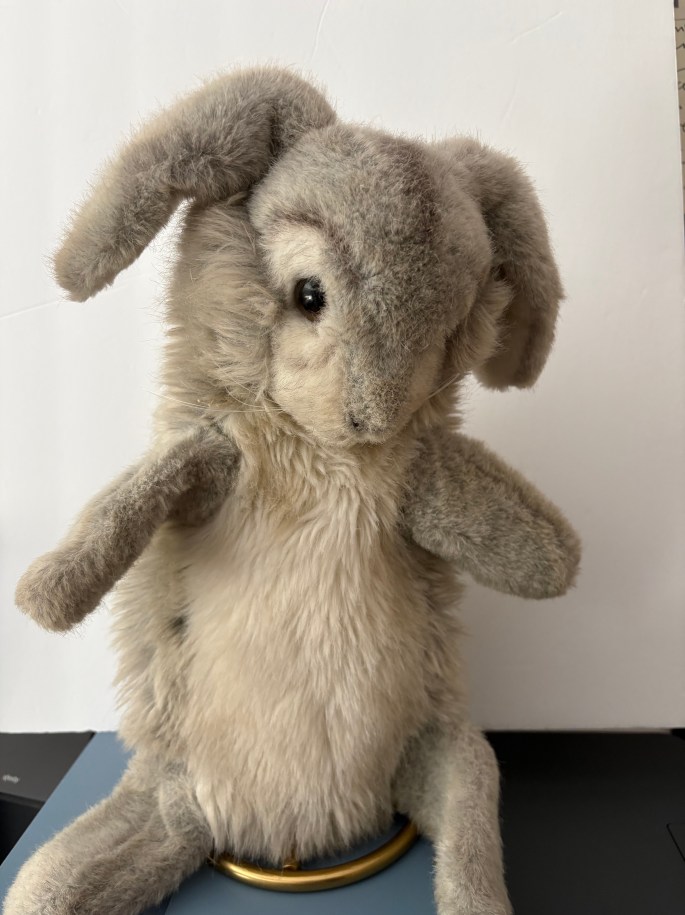
Then I looked at the price tag – $35 which was a hefty price in the 70s.   After some debate, the bunny was on the way home with me.  He was just too cute to leave behind, and as a teacher, I could use the rabbit with my work with children.  I named him Benjamin Bunny after the Beatrix Potter’s character.  I didn’t realize at the time how much that bunny puppet would mean to my life.

I fell in love with puppets after taking a weekend workshop about making puppets and writing puppet shows.  I ended up giving my own puppetry workshops, The Magic of Puppetry, to children and fellow teachers.  Puppets were a good vehicle to get the creative juices going.  However, it was always a wonder watching children truly believe that puppets were alive.  As the puppeteer, children could see that you were moving the puppet and talking for it, yet it made no difference.  The children believed and that is where the magic is.

Benjamin was always a star at the presentations, but he did not come into his own until I became a principal.  Since I oversaw very young children, I would visit the classes to read books, and Benjamin would join me.  Benjamin was a very shy bunny, so it would take him a minute or two to warm up when he gave a timid wave to the children.  Now, Benjamin ‘s mouth did not move so he would whisper in my ear what he wanted to say.  At the end of my visit, Benjamin would hug each of the children.  Little ones would love that special hug.   Occasionally, a child would not hug him – he or she was also timid.  However, as the year progressed, the child would become braver and finally hug Benjamin.  Over the years, all the children in the school knew Benjamin from his visits to their early childhood classrooms.  Benjamin became a bit of a celebrity.  He had been hugged by hundreds and hundreds and hundreds of children.  So much love!

When I moved to NYC, Benjamin came with me and visited our youngest children for book readings as well. He had a following and was a star in the Big Apple.   Again, those visits ended with hugs from adoring children.  Benjamin was dearly loved for 25 years and has now retired with me.  We did do a ZOOM visit during the Covid Pandemic, and Benjamin showed the children how to wear a face mask, and he “told” them to listen to their parents and teachers so they would be safe. 
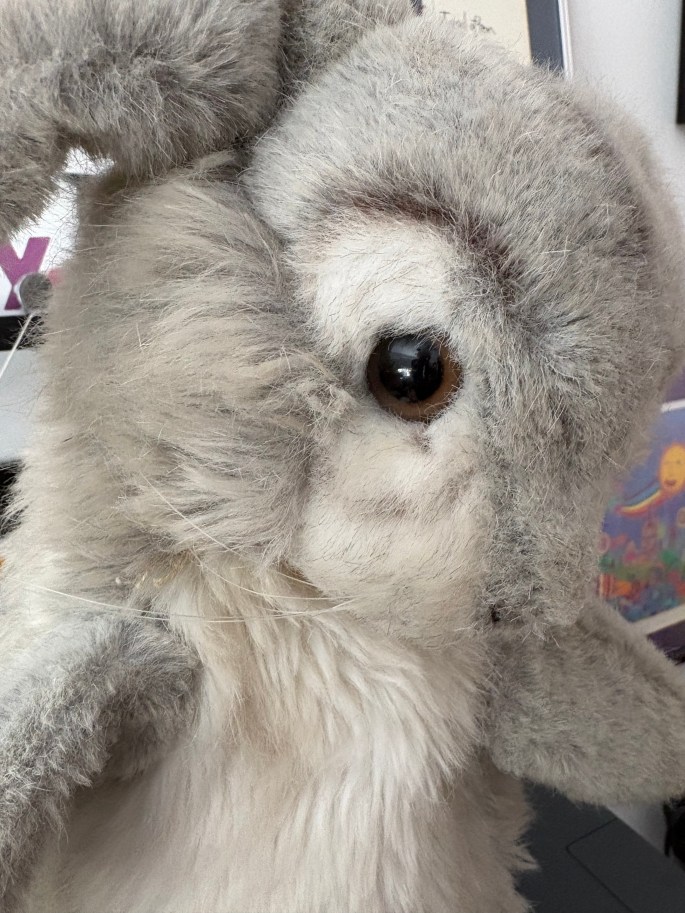
In retirement now, Benjamin sits on a shelf in my office.  I look at him every day and he makes my heart smile.  Benjamin Bunny represents my life’s work with children and the happiness of doing that.  I have decided that I will have him cremated with me when the time comes for me to say goodbye.  No one else would ever know who Benjamin was and what he meant to me.  The little bunny epitomizes children’s love, and I want to take that love with me.  
Gifts

What constitutes a gift? I guess I have never really thought about it.  I love giving people items I think they would enjoy. I enjoy doing things for others. Some would say my gifting is my Love Language. Lately, I have begun to rethink gifting.

My grands, nieces, and nephews, are all adults now in their twenties and thirties and some even older. Most of them have good jobs and are independent. They can purchase the things they want or need.  I find it challenging to select something they will want, appreciate, and use.  Anymore, when I ask them they reply “you don’t need to get me anything.”  While that is very sweet, they fail to understand that it makes me happy to give them something on their birthdays or other special occasions.

My granddaughter will turn 25 this month. I appreciate that she tells me what she would like – much of the time.  This year she told me – “money.”  She has recently moved out of her parents’ home, so money is tighter than before. She is learning that adulting is hard.  My sweet little girl no longer wants pink and frilly things. She wants to build up her savings account, so she won’t worry about having enough to pay her bills.  I appreciate her resolve.

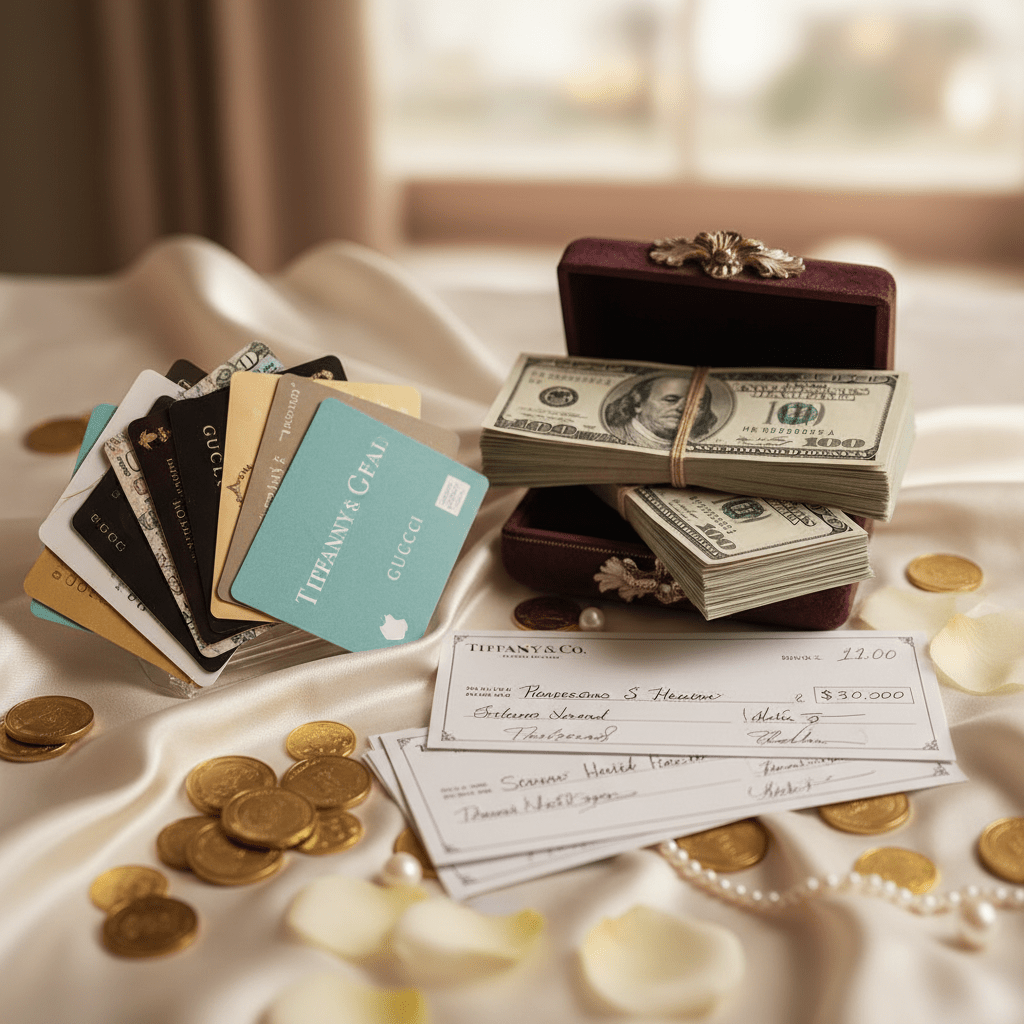
Gucci credit cards, $100 bill stacks, gold coins, and Tiffany & Co. checks on white satin.

I have resorted to gift cards for non-gift-giving holidays. Target gift cards for St. Patrick’s Day, grocery store gift cards for Easter, gasoline gift cards for Independence Day, etc.  Basically, things that help with day-to-day expenses.

Money just doesn’t seem like a very good gift. I need to rethink my position on gift giving. As I recall, my maternal grandmother always sent me a check for $5 with a greeting card signed Maureen. In fact, it wasn’t until later years that she started signing cards Grandmother Maureen. I loved her dearly and held her in the highest regard, even though it was hard for her to be a grandmother. She was more of a mentor to me. We got along wonderfully (opposed to most of my cousins!). Thinking about the cards and the checks, I suppose I enjoyed getting money from my grandmother. Mostly I appreciated that she thought about me on my birthday.

I sent checks to my nieces for a while, but it seems they would not cash the checks. I found that odd since it is easy to deposit a check with one’s smart phone – I’ve done it for years, so I imagined the younger people have done it longer. Each year I would ask them if they got the check because I noted it had not cleared my account.  Now, they get Amazon e-gift cards. Interestingly, they apparently appreciate those more than cash. (We truly are becoming a cashless society, are we not?).

All-in-all, I suppose giving a gift rests more in intent than in substance. So I will go to the ATM, or write checks, or send e-gift cards. Easy for me; beneficial for the recipients.  After all, it is the thought that counts!

Saying Goodbye to The Greatest Generation

I have been extremely fortunate to enjoy a close-knit family. Special relationships with aunts and uncles and cousins have enhanced the quality of my life. As I age, so do they, until unfortunately, their lives on this earth come to an end. Maybe it is the longevity in my family that makes it all the more difficult. I have come to expect they will be there when I call – that the card I sent will be read.

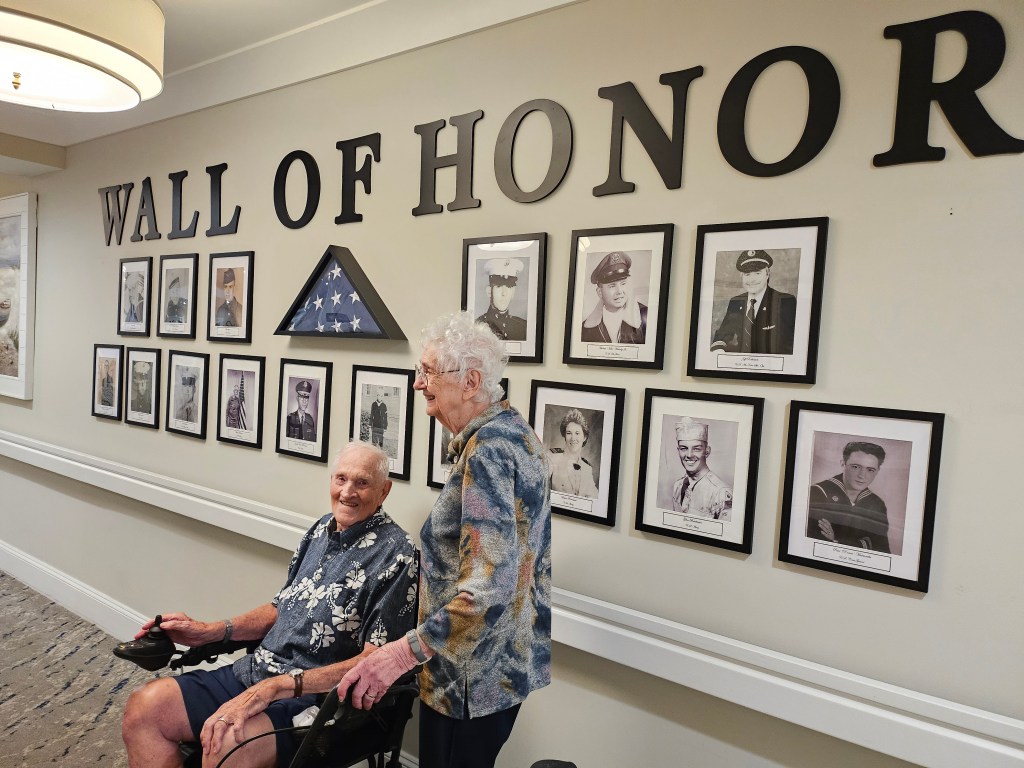
This month would have marked the 100th birthday of my Uncle Bob. He served in the Navy during World War II. He was on the SS Yorktown. After the war he owned a flower shop and a department store in a small town in mid-America. Then he and his wife, my mother’s twin sister, moved to the city where my parents lived. When I visited my parents, I would also visit my aunt and uncle.  Upon retirement, my cousin moved from California to North Carolina – and took her parents with her.

My sister and I visited last September and were overjoyed to be able to spend time with them. Uncle Bob was especially thrilled to see us. We laughed and talked and met his new friends in the retirement village where they lived. When we left, Uncle Bob followed us all the way around the building on his scooter, just so he could say goodbye one more time. The reunion was delightful and filled our souls.

On the occasion of his birthday, there was no question that we would attend a celebration of his 100 years. However, he passed away peacefully just two weeks short of that birthday. The party we attended turned out to be a Celebration of Life after a funeral service that rightly honored a remarkable man.

He found joy in so many areas of his life.  Steve Hartman of CBS Sunday Morning even did an expose’ on him and two young boys who learned of his time on the Yorktown. They began corresponding with Mr. Harding and eventually the three of them were able to meet in person. That began a friendship that lasted twelve years. The young people last visited him soon after my sister and I left North Carolina. Another blessing for his long and prosperous life.

No, he was not wealthy – at least not in the way we often define wealth. But his life was rich with experiences and full of love. He loved God, his country, and his family and friends. He smiled easily, laughed heartily, and spread happiness everywhere he went.

At 96, my aunt mourns his passing. Yet she is doing well, knowing he is in “a better place” and no longer struggling as he did the final two months.  She knows when the time comes, she will rejoin her husband of 77 years.

While I am quite sad at the loss of my loved-ones’ lives, I am grateful for the tremendous love I have enjoyed over the years.

Finding the Good in the Bad

I was scheduled to attend the 100th birthday party of a dear uncle. Planning the road trip for a 19-hour drive was exciting. Riding along would be my sister, cousin, and another aunt who is 94-years old. What a celebration it would be.  But then my aunt – my mother’s 96-year-old twin sister called to say my uncle had passed away. Only a few weeks before turning 100.  I was sad. He was a special man.

The birthday party is now a Celebration of Life. This event, and other things happening in the world caused me to wonder: “Can a person find joy when suffering a loss?” “Is bad necessary for good to have meaning?”

Finding the “silver lining” can often feel like a cliché—especially when you’re in the middle of a storm. However, finding goodness during difficult times isn’t about pretending the bad doesn’t exist; it’s about expanding your perspective to see what else is present.

I pondered how to navigate the darkness without losing sight of the light. Here are some insights that may help when the “bad” things happen, whether loss of a loved one, a war, a fire, or some other occurrence that is somewhat negative.

The first step to finding goodness is facing reality. The internal “this shouldn’t be happening” often creates more suffering than the event itself. Try practicing radical acceptance and stop pouring energy into the “why”. Start focusing on “what now?” Acceptance creates the mental space necessary to notice the small, positive details you might otherwise miss.

Fred Rogers famously advised: “Look for the helpers. You will always find people who are helping.” When bad things happen, they often trigger a wave of human connection. Look for the friend who checks in, the stranger who offers a hand, or the professional who provides clarity. The goodness is often found in the collective empathy that a crisis ignites.

When the big picture is bleak, shrink your world. You don’t need to find a grand purpose in your pain immediately. Instead, look for micro-joys:

  • The warmth of a cup of coffee.
  • A moment of quiet in a chaotic day.
  • A bird landing outside your window.
  • The fact that you handled a difficult hour with grace.

These aren’t distractions; they are evidence that life is still functioning and capable of providing comfort.

Language shapes our reality. When we say, “I’m happy, but this bad thing happened,” we negate the happiness. If you switch to “and,” you allow both truths to exist simultaneously: “I am grieving, (scared, depressed, etc.) and I am grateful for the support I have.” This allows you to honor your pain without letting it erase the goodness that remains.

Bad experiences are often the most fertile ground for personal evolution. Ask yourself:

  • What strength am I discovering that I didn’t know I had?
  • How is this shifting my priorities for the better?
  • What am I learning from my reaction to this situation?

The “goodness” isn’t in the bad event itself, but in the resilience you build because of it.

Finding goodness isn’t a destination; it’s a muscle. The more you look for it, the more your brain becomes wired to find it. You aren’t ignoring the “bad”—you are simply refusing to let it be the only thing you see.

No tree, it is said, can grow to heaven unless its roots reach down to hell._ ~Carl Jung

Reflection

Several years ago I vowed to keep in touch with friends. When I thought of someone I would reach out within 24 hours. Technology makes it easier than ever before. We can make phone calls, send an email, craft a text message, or even use direct messaging on social media platforms. There is no excuse for not staying in touch with people.

Sometimes, though, people whom you respect are not close friends.  Mary Ann told me she read that most people have five truly close friends and about 150 acquaintances. At the time I thought, “I don’t have that many.” I resolved this year to add one friend to my repertoire of five.  In our senior years, developing friendships is even more difficult than when we were younger – and it was hard enough “back then.”

All that to say, sometimes there are people in your life that slip through your fingers. One of my acquaintances with whom I sometimes have lunch has been on my mind a lot of late. Each day I thought I would reach out to her by some means other than email as she had not responded to my messages for some time.  Still, I didn’t stop and take the time.  Then a few days ago, another friend sent me a text message with a link to an obituary.  Her husband had passed away unexpectedly a week before.

Immediately I picked up the phone and called.  She answered by saying, “Hello, Cynthia.” I expressed my condolences and offered to call the next week to schedule a time we could get together. I attended her husband’s (Don’s) funeral two days later.

Funerals are designed to be times to remember and honor the person who passed. They are for meeting with the family for a short moment in time, lending support and caring. Don’s funeral was well attended. Many of the people there were men and women with whom I had worked for years, all coming together in a common thread.  The service was full of remembrances and somewhat traditional.

Honestly, I cannot remember attending a traditional funeral for quite some time. Most of the services I have attended were more in the category of “Celebration of Life” opposed to a funeral with scripture and hymns. Yet, Don and his wife, my friend, are devout Christians, thus a fitting tribute to his life.

We are now at the age that we have begun to lose family members and friends. Life on earth is not eternal. These occurrences remind us to live each day fully, to love deeply, to be peaceful, and to shine light on whatever we are doing.

As I reflect on my life and those of my family, friends and acquaintances, I am reminded of the importance of connection …. Before it is too late. I hope to be remembered as a person who cared about others, who lifted them up, who spread happiness as often as possible.  How would you like to be remembered?

I wish for you, dear readers, Peace, Love, and Light.

Small Towns

Mary Ann

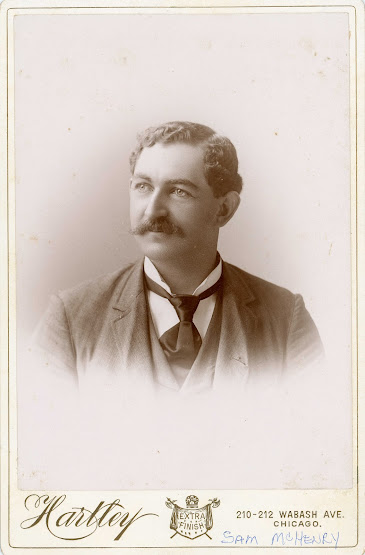
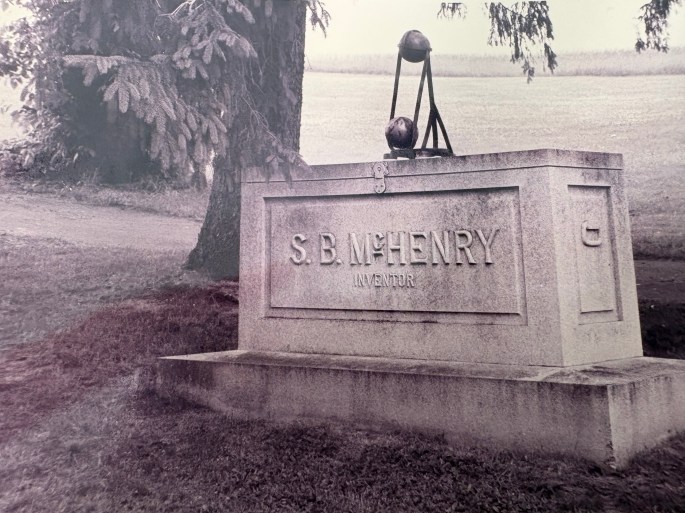
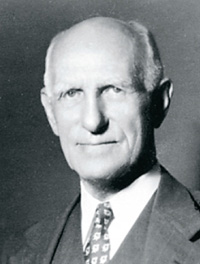
My father grew up in Benton, a little town in Northeastern Pennsylvania.  That little town produced some very exceptional individuals who changed the world.  One was my uncle, Samuel B. McHenry.  He was an inventor with 43 patents that included brooms and brushes that paid the bills, but he also patented several alternative energy inventions like a wave machine and using stream currents to generate electricity – a man ahead of his time. At one point in his career, he got in trouble with a society lady in Chicago.  My Great-Grandfather, his brother Abram, had to go get him and bring him home to Benton.  He was “madly” in love with a young woman he never met – there is a thin line between genius and insanity.  

I included a photo of his memorial at the cemetery where he is buried.  It was a representation of a craftsmen’s chest where tools were kept with the word Inventor engraved on it.  I always thought it was a treasure chest.  On top of the block of granite is a gizmo that Samuel invented called an Astronomical Demonstrating Device.  According to my father the top sphere represented the sun, and the bottom sphere was the Earth.  The device rested on a figure-eight base that had the months of the year engraved.  As the earth revolved around the sun, the device would move settling on the current month of the year.   Every time I visited the cemetery, the earth sphere was in the correct month of the year – almost like magic.  Apparently, the tilt of the Earth as it moved through space initiated the movement of the device to the correct month. 

The second person was Dr. Frank Laubach.  He was a missionary and travelled the world using the Bible to teach reading.  The premise was that “each one, teach one.”  I would teach you to read then you would teach someone else to read and so on.   His work was Nobel Prize worthy.  However, he was honored in 1984 with a stamp commemoration. The Laubach Literacy Program and the Laubach Method, developed with his son, Dr. Robert Laubach, is still helping illiterate people learn to read. Today, the programs have merged with ProLiteracy Worldwide and have touched people in 103 countries.  

 When I was little, my grandmother took me to the Laubach house in Benton to meet Dr. Laubach when he was home from his travels.  It was a rare moment.  I remember seeing him from afar as I was too shy to greet him.  I had no idea who he was.  He seemed to glow. Maybe his gentle soul was shining through.  I never forgot that encounter. 

Finally, the third person was Winton Laubach.  He was a childhood friend of my father’s.  Winston was legally blind and had to count the streetlights to find his way home after a day of play.  He studied math at Penn State and Columbia University and later taught the subject at Penn State and the Colorado School of Mines.  His book A Mathematical Medley illustrates his love for numbers. 

I once asked my father how a small town in the mountains of Pennsylvania could produce such noteworthy individuals.  He said that they were all trying to get out!  I am not sure that is true.  However, it was a close-knit community where everyone knew everyone.  When you went out to play, wherever you were at lunch time, you had lunch there. The community collectively raised all the children.  Their grandparents and aunts and uncles and cousins all lived in the same little town.  These extended families always supported the children, and they knew they were supported.  They all had long childhoods which allowed their imaginations to grow.  

The world is so different today with families far flung across the country and more recently around the world.  Families must work hard to develop such communities of the past.  I am thankful that my family roots run deep in this little community of Benton.  It has helped to create the person I have become.  America should have more small towns like Benton to help shape the future of the world in a positive way.

Delight in our Elders

Drew, one of the ladies in my book club frequently mentions her father, Van, who also loves to read. Occasionally, we select a book to read based on his recommendation. As with our members, Van enjoys reading from multiple genres. At one meeting we suggested Van may like to visit – or even join – our book club discussion.

What a delight it was this month when Drew and Van walked into our Barnes and Noble coffee shop a few minutes before we began. Van was tall, moved with precision, and sported the kindest expression on his face when I approached them. I couldn’t help myself.  I told him Drew had talked fondly of him and asked if I could hug him. He graciously allowed me to gently embrace him.

We ordered coffee drinks. They selected seating in the corner where it might be a little quieter. At 95, Van has lost some of his ability to hear well. As soon as everyone was seated, Van jumped in to begin discussing Junie, our January selection. He mentioned how much he enjoyed the book. He was impressed that the author, Erin Crosby Eckstine was able to write her first novel with such aplomb. Van commented on a hopeful ending to the story for one of the primary characters, Caleb.

I listened with awe as Van recalled characters’ names, authors and titles of additional books he had read. His memory and recall were sharp and his diction clear. He told us a little about being in Alabama when even the military base was segregated (relating to the story line of our book discussion.) Van was a valued participant in our discussion.

He asked if we were looking for additional members and we responded affirmatively. We invited him to return any time; even to join if he would enjoy conversing with this female-dominated club.

Spending this short time with Van, I am reminded of the value of including our elders. Here in the United States of America we fail to honor our senior citizens. With age one gains wisdom along with experience. There is much to learn and appreciate from others, especially from those who have walked the path before us.

At the same time, we help our older citizens live life more fully. Getting older can be emotionally and socially challenging. Our friends and family may pass before us, leaving us without someone with whom to share time.

Look for Vans in your life. The mutual benefit will bring happiness to you both.

Sauerkraut and Pork

Mary Ann

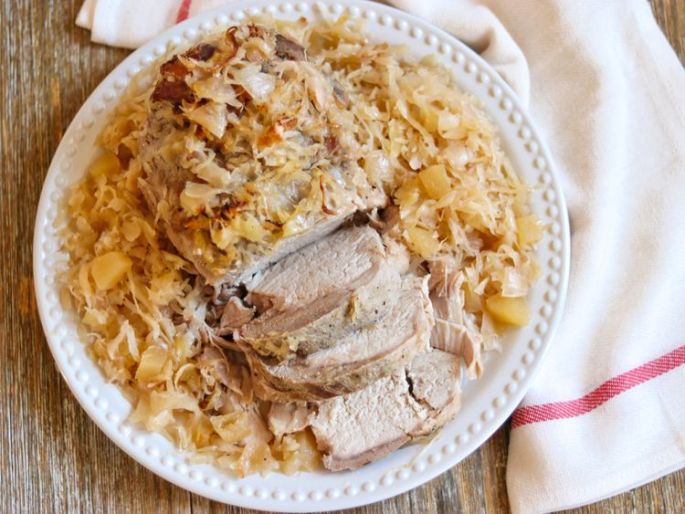
Happy New Year!  It is that time of year when you reflect on the past year and make resolutions for the coming year.  In my family, we started the year off with a dinner of Sauerkraut and Pork for good luck, and I have had this dish for my entire life every January 1st.  This is pure Pennsylvania Dutch, and no matter where I lived the aroma of the kraut and pork fill the air to greet the new year.

The sauerkraut represented money, so you had to eat some to have a prosperous year.  I must say it was hard to swallow when I was little, but now I’ve grown accustomed to the sour taste and like it.  The pork is prepared because the pig only walks forward, never backwards.  I recently read that it is also because the pig roots forward where other animals dig backwards.  Good Jeopardy question with the rooting.   In the new year, you want to be moving forward, not stuck in the past year.  We always served mashed potatoes and applesauce with the meal.

When I lived in South Carolina, the natives could not imagine eating sauerkraut and pork.  They always made black-eyed peas and greens cooked in ham hocks on New Years.  Both were new foods to me when I first move there.  The black-eyed peas were pennies, and the greens represented cash.  It was for a prosperous year as well.  

One year, my Southern neighbor and I did a combo meal doing both the Pennsylvania way and Southern way together. All tasted good, and it was fun eating a North/South meal. We had double luck that year.

No matter where you live, there are always special foods and traditions that are unique to an area or a family.  Regardless of how you celebrate, it all kicks off the New Year with hope, good luck, and prosperity.  You can’t go wrong!   

Annalee Dolls

Mary Ann

When I was a young girl, my job at Christmas was to decorate the top of our piano.  We first put down some fake snow that was quilt batting.   Then, we would add Santa’s sleigh and various Christmas characters to the snowy scene.  The featured stars of the display were four elves that were Annalee Dolls.

Annalee Dolls started in 1934 by Annalee Thorndike in Meredith, NH.  It was a cottage industry growing out of the Depression. During the 1950s and 1960s, the felt dolls with the charming hand-painted faces began to take off around the country.  With each decade the company grew bigger and bigger adding little characters for all the holidays in a variety of sizes. They ran limited editions and collecting fever hit the nation. Each year new characters are introduced, and suddenly, you just must have the Mardi Gras elf!

My mother began collecting the Annalee Dolls in the early 1960s. She would get them from a lovely gift shop in our hometown called The Studio Shop.  She slowly grew her collection and decorated for each holiday with them. The catalogs would come, and she would place lots of orders 

 When I had my own family, I began to collect as well, but not nearly as many as my mother had.  I love the elves and have several of them for all the holidays.  However, I have a large collection of Christmas elves that are scattered all over the house.  They peek around every corner and will surprise guests at every turn.  I always seem to miss one or two when I put them away.  They surprise me!

When my mother passed, we had to find new homes for hundreds of Annalee Dolls.  I added several of hers to my collection. I gave relatives specific ones that I knew would have personal meaning to them.  In the end there were still about 200 plus dolls.  Then the hard part began – what do you do with them??  I tried to sell them to collectors who were also trying to find homes for their own collections. This went on for several months.  In the end we gave them to a Women’s Thrift shop that helped abused women.  They sold them at their auction and in the store.  I know this would have made my mother happy helping other women.  

Any of you that have collections from your own mothers such as Byers’ Carolers or Hummels or Jim Shore figures or Christmas Villages know what I mean about downsizing family collections.  No one in the family wants them anymore.  Once I am gone, I am not sure anyone in my family will want the precious Annalee Dolls.  I hope someone will want the original four elves from the top of the piano. 

 When I unwrap my dolls to display for a holiday, it makes me happy to visit with them again.  I know that my mother would be happy that they bring me joy.  Most importantly, “playing” with the Annalee Dolls is like I am visiting with my mother.  It brings a smile to my lips and a tear to my eye remembering her.  

Happy Thanksgiving!

As autumn leaves paint the landscape in warm hues of red, orange, and gold, families and friends across America come together to celebrate one of the most cherished holidays—Thanksgiving. It’s a day marked by gratitude, togetherness, and traditional food choices that bring people closer, reminding us of the importance of reflection and appreciation for the blessings in our lives.

Thanksgiving’s roots trace back to 1621, when Pilgrims and Native Americans shared a meal to commemorate a successful harvest. While the holiday’s history is complex and has evolved over the centuries, it remains a powerful reminder to pause and give thanks for what we have—our loved ones, health, home, and the opportunities that come our way.

What traditions do you enjoy on this day?

  • Gathering Around the Table: The centerpiece of Thanksgiving is the meal itself, with turkey, stuffing, cranberry sauce, and pumpkin pie bringing warmth and comfort to the holiday.
  • Expressing Gratitude: Many families share what they’re thankful for before digging into the feast—a tradition that fosters connection and appreciation.
  • Watching the Parade: The Macy’s Thanksgiving Day Parade has become an American institution, delighting viewers with colorful floats and performances.
  • Football and Fun: From backyard games to NFL showdowns, football is an enduring Thanksgiving staple.
  • Giving Back: Volunteering and community service are ways people share their gratitude by helping those in need.

Whether you’re hosting a large gathering or enjoying a quiet day, Thanksgiving is an opportunity to connect with others and reflect on the year. Here are some ideas to make your celebration meaningful:

  1. Cook Together: Involve everyone in meal prep, sharing cherished recipes and creating new memories.
  2. Craft a Gratitude List: Encourage guests to jot down things they’re thankful for and read them aloud.
  3. Reach Out: Call or video chat with distant friends and family to share the holiday spirit.
  4. Donate: Consider supporting local food banks or charities in honor of the season.

This year, let’s celebrate not just with food and festivities, but with open hearts and a spirit of kindness. Whether you are near or far from loved ones, may your day be filled with joy, laughter, and gratitude. And may you remember to carry that spirit of gratitude with you each and every day. Wishing everyone a safe, happy, and memorable Thanksgiving!