Finding the Good in the Bad

I was scheduled to attend the 100th birthday party of a dear uncle. Planning the road trip for a 19-hour drive was exciting. Riding along would be my sister, cousin, and another aunt who is 94-years old. What a celebration it would be.  But then my aunt – my mother’s 96-year-old twin sister called to say my uncle had passed away. Only a few weeks before turning 100.  I was sad. He was a special man.

The birthday party is now a Celebration of Life. This event, and other things happening in the world caused me to wonder: “Can a person find joy when suffering a loss?” “Is bad necessary for good to have meaning?”

Finding the “silver lining” can often feel like a cliché—especially when you’re in the middle of a storm. However, finding goodness during difficult times isn’t about pretending the bad doesn’t exist; it’s about expanding your perspective to see what else is present.

I pondered how to navigate the darkness without losing sight of the light. Here are some insights that may help when the “bad” things happen, whether loss of a loved one, a war, a fire, or some other occurrence that is somewhat negative.

The first step to finding goodness is facing reality. The internal “this shouldn’t be happening” often creates more suffering than the event itself. Try practicing radical acceptance and stop pouring energy into the “why”. Start focusing on “what now?” Acceptance creates the mental space necessary to notice the small, positive details you might otherwise miss.

Fred Rogers famously advised: “Look for the helpers. You will always find people who are helping.” When bad things happen, they often trigger a wave of human connection. Look for the friend who checks in, the stranger who offers a hand, or the professional who provides clarity. The goodness is often found in the collective empathy that a crisis ignites.

When the big picture is bleak, shrink your world. You don’t need to find a grand purpose in your pain immediately. Instead, look for micro-joys:

  • The warmth of a cup of coffee.
  • A moment of quiet in a chaotic day.
  • A bird landing outside your window.
  • The fact that you handled a difficult hour with grace.

These aren’t distractions; they are evidence that life is still functioning and capable of providing comfort.

Language shapes our reality. When we say, “I’m happy, but this bad thing happened,” we negate the happiness. If you switch to and,” you allow both truths to exist simultaneously: “I am grieving, (scared, depressed, etc.) and I am grateful for the support I have.” This allows you to honor your pain without letting it erase the goodness that remains.

Bad experiences are often the most fertile ground for personal evolution. Ask yourself:

  • What strength am I discovering that I didn’t know I had?
  • How is this shifting my priorities for the better?
  • What am I learning from my reaction to this situation?

The “goodness” isn’t in the bad event itself, but in the resilience you build because of it.

Finding goodness isn’t a destination; it’s a muscle. The more you look for it, the more your brain becomes wired to find it. You aren’t ignoring the “bad”—you are simply refusing to let it be the only thing you see.

No tree, it is said, can grow to heaven unless its roots reach down to hell._ ~Carl Jung

Women Helping Others

Often you hear how women are our own worst enemies. Instead of supporting each other, we stab each other in the back. While that may have been true in the past and in many cases, I have found many examples of the opposite. Having made a commitment to myself years ago, that I would serve as an example of how to help and support other women, I am consistently delighted to witness how strong, confident women help build others. Following the old adage, “a rising tide lifts all boats” I find it satisfying when one lifts up another.

I’ve been watching The Murdoch Mysteries. Main characters in the saga include female doctors and the dilemma and challenges facing them as they attempt to navigate careers in male-dominated fields. One doctor mentored the younger doctor, always providing expert advice and support. At the same time, other women turned their backs on both doctors as they were not living “traditional lives” as wives and mothers.  Although this is not the theme of the series, as a [former] professional woman I find the stories all too familiar.

I recall a time when as a new Ph.D. in technology I encountered almost no women in my field. At conferences I would be one of three women among hundreds of men. Some men would scoff at us; others would condescendingly “help” us find our way through the jungle of men and topics.

Time passed. More women joined the professions.  Careers progressed. Or did they? Interestingly, throughout my career I found I was paid less than men, even as I progressed up the proverbial ladder. Some women accused me of “sleeping my way to the top” while others called me dragon lady and names not fit for print.  A few, however, took me under their wings and led me through meetings, supporting me along the way.  Those women, I will never forget.

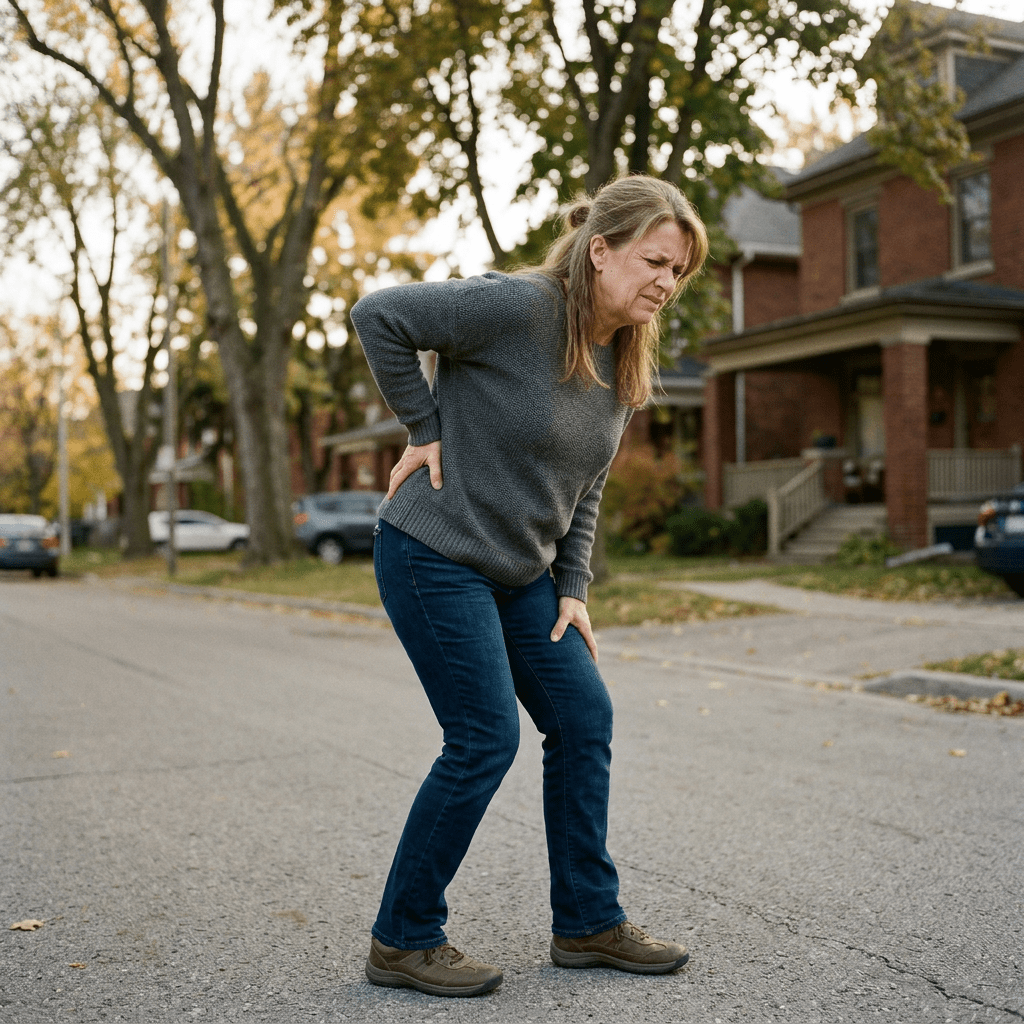
One such woman is now in assisted living. She is 89 and struggling with degenerative spine issues. I visit her regularly and consistently remind her that she made a positive impact on my life. For that I am forever grateful. She was a pillar of our community, always helping, supporting, and lifting other women. She told me recently that many of her friends were dead and the ones still living do not visit her. Even the woman she practically gave her business to and who lives ten minutes from her has not visited. I find this not only sad, but disrespectful.

“Mankind should be our business” Lew Hayward (John Forsythe) tells Frank Cross (Bill Murray) in Scrooged.  I love that movie! The message, again, isn’t about women, but it *is* about the importance of helping one another. So I ask you, dear reader, to take a moment and think about those who have lifted you up over the years. A friend. A colleague. A family member. Take time to call and thank them for helping you. Let them know how they made a difference in your life.

For now, I gratefully am off to have coffee with a former co-worker who after nine years of retirement has contacted me to ask for a reference, because she said I made an impact in her life. I am shedding tears of joy.  What goes around, comes around, I suppose.

Laughter – A Best Medicine

In the past I was always trying new things.  I took classes, seminars, and lots of certifications, many of which were not at all closely related to my profession.  One such certification was Laughter Yoga.  I had so much fun learning about the value of laughing.

Your body does not know the difference between contrived laughs and laughs generated from humor. The physiological mechanisms such as inhaling, exhaling, and muscle movement are the same. So creating laughter is easy and anyone can do it.  Laughter yoga is particularly effective for people who might not feel like laughing. People who struggle with depression, cancer patients, etc. can be taught to simulate laughter.

Dr. Michael Miller, a cardiologist and medical professor at the University of Pennsylvania posits a hearty laugh is good for your heart, immune system, and additional health benefits. Even from the time of ancient Greeks to the present people have studied the use of laughter. Gelotology, the modern study of laughter, began emerging in the 1960s when many of us were mere children, who laughed spontaneously. Why as adults did we lose the ability to laugh easily? Jenny Rosendhal, a senior researcher of medical psychology at Jena University in Germany found that laughter-inducing therapies decreased glucose levels, as well as cortisol and chronic pain. Now that’s something for us to consider as we begin experiencing the aches and pains of aging!

While it feels a bit awkward at first, you will find that when you start with saying “hee hee ho ho ha ha ha” repeatedly your mouth begins to turn up and before you know it you are in a full belly laugh. (I know you are trying it right now as you read this post!).

One way to laugh more is to get with another person. Look into each other’s eyes and repeatedly say “ha ha” for at least a minute. Before you know it, you will laugh aloud. Of course there are additional techniques that stem from laughter yoga classes. Yet the decision to laugh is contagious, even if it is just for yourself. Look into a mirror and make faces while making laughing sounds.  If those don’t work, try calling a friend.  Tell “dad” jokes. Agree to laugh.

Make laughter a part of your daily routine. The more you laugh, the lighter you will feel. And with that big smile across your face, people will wonder what you are up to!

Reflection

Several years ago I vowed to keep in touch with friends. When I thought of someone I would reach out within 24 hours. Technology makes it easier than ever before. We can make phone calls, send an email, craft a text message, or even use direct messaging on social media platforms. There is no excuse for not staying in touch with people.

Sometimes, though, people whom you respect are not close friends.  Mary Ann told me she read that most people have five truly close friends and about 150 acquaintances. At the time I thought, “I don’t have that many.” I resolved this year to add one friend to my repertoire of five.  In our senior years, developing friendships is even more difficult than when we were younger – and it was hard enough “back then.”

All that to say, sometimes there are people in your life that slip through your fingers. One of my acquaintances with whom I sometimes have lunch has been on my mind a lot of late. Each day I thought I would reach out to her by some means other than email as she had not responded to my messages for some time.  Still, I didn’t stop and take the time.  Then a few days ago, another friend sent me a text message with a link to an obituary.  Her husband had passed away unexpectedly a week before.

Immediately I picked up the phone and called.  She answered by saying, “Hello, Cynthia.” I expressed my condolences and offered to call the next week to schedule a time we could get together. I attended her husband’s (Don’s) funeral two days later.

Funerals are designed to be times to remember and honor the person who passed. They are for meeting with the family for a short moment in time, lending support and caring. Don’s funeral was well attended. Many of the people there were men and women with whom I had worked for years, all coming together in a common thread.  The service was full of remembrances and somewhat traditional.

Honestly, I cannot remember attending a traditional funeral for quite some time. Most of the services I have attended were more in the category of “Celebration of Life” opposed to a funeral with scripture and hymns. Yet, Don and his wife, my friend, are devout Christians, thus a fitting tribute to his life.

We are now at the age that we have begun to lose family members and friends. Life on earth is not eternal. These occurrences remind us to live each day fully, to love deeply, to be peaceful, and to shine light on whatever we are doing.

As I reflect on my life and those of my family, friends and acquaintances, I am reminded of the importance of connection …. Before it is too late. I hope to be remembered as a person who cared about others, who lifted them up, who spread happiness as often as possible.  How would you like to be remembered?

I wish for you, dear readers, Peace, Love, and Light.

Revive (Create?) Your Love for Reading

Throughout my career I read constantly. I read professional and industry journals and publications. I read books about leadership, business, and education. I reviewed websites and online articles. You get the picture.  My guess is you also read information necessary to keep you informed and successful.  Once I retired, I believed I would read all those books in my wall of bookshelves that I never had time to sit with.

My excitement for reading waned as I faced the reality of retirement. After a few months, however, I realized that I missed not only reading but people to “unpack” what I had just read.  So, I attempted to start of book club. After a few false starts, I ended up with some fellow readers. Some really just wanted the comradery; others wanted an intellectual outlet. Over time, I settled into a group who decided to meet for coffee and discussion.

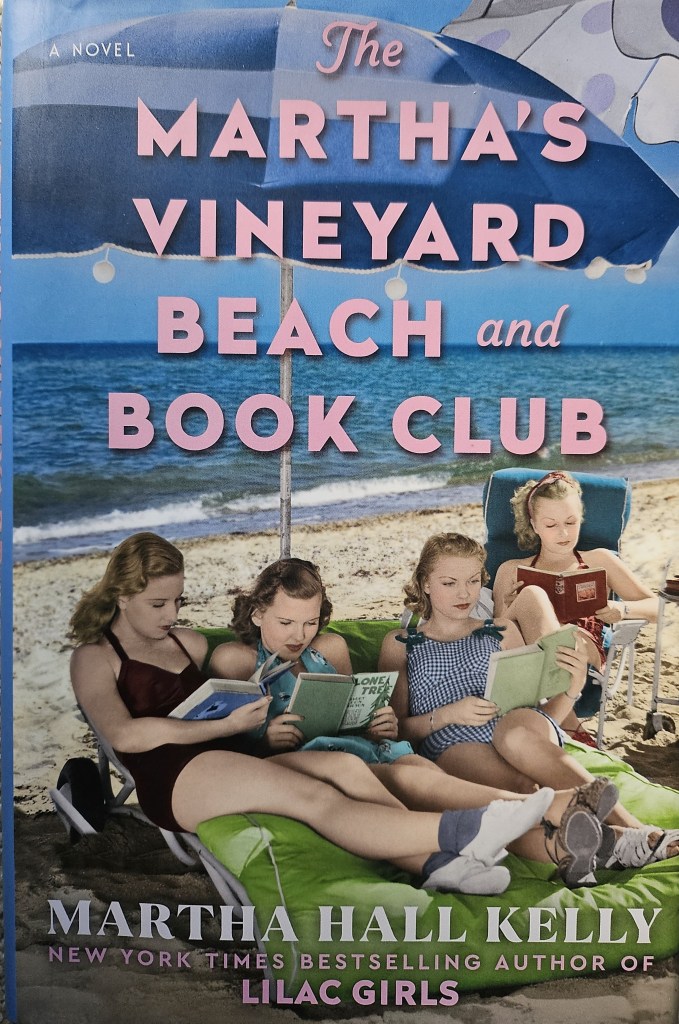
Often, I am asked: “how does your book club select the books to read?”  This is one of my favorite features of the book club I am in.  Every six months, we bring potential titles to a discussion. Rather than limiting ourselves to a particular genre, anything is an option. We discuss the books based on their authors, reviews, and lists on which they appear. As such, we have read historical fiction, memoirs, non-fiction, and even a “beach read” here and there. We have enjoyed Pulitzer Prize and other winning titles and self-published tomes. Many of the books I would otherwise not have read if not for sharing the love of reading and discussion with others.

Reading can open your eyes and heart to ideas and worlds you have never visited. Unfortunately, the percent of people who read for pleasure during an average day has dropped 12% since 2004. That figures reflects not only books but also audiobooks, e-books, and magazines. Those interviewed find they spend time scrolling social media or watching television.  If you find yourself among those who would like to read more but struggle to get started, here are a few tips.

Start with the Right Book. Don’t start with War and Peace or some other doorstop. Rather select something that may bring your joy. Look for a variety of places to find titles that may be of interest. I subscribe to several book list recommendations or follow the link when someone points me to another list. You can get recommendations from friends, your local librarian, and online communities (there are a lot!). One free list I receive regularly is “Readworthy by BookBub.”

Set a reading routine. Schedule a certain time of day that you believe you would enjoy “taking a break.” Plan to read a set number of pages, a chapter, or a specified amount of time. Start small. Determine a particular place that you will also read. This special location signals that it is time to read. Leave the phone in another room or put it on silent for your reading period.

Experiment with formats. E-books or audio books offer an alternative to traditional paper books. Many libraries offer electronic versions at no charge.  Audio books allow you to listen to a book while doing household chores or taking a walk (although for safety purposes I would avoid having earbuds in while walking.)

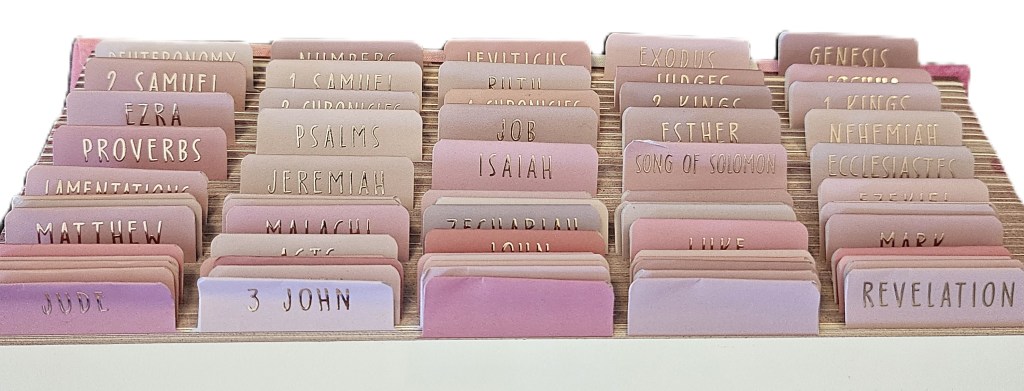
Set a reading goal. If you are a goal-oriented person, attempting to reach a certain number of books may be just the motivation you need! However, you may want to use social media or a reading tracker to encourage you to keep at it. This year one of my reading goals is to read the entire Bible in a year. I found a tracker (The Bible Recap) that suggests what to read each day and includes a short video reviewing what I read. Additionally, I set a goal to read 24 books.

Give yourself permission to skip a read. This one is the hardest for me! But reading should not feel like a burden.  If you find you are not enjoying a book, you are not obligated to finish it. A male friend of mine once told me he thought women seemed to feel they owe the author to finish a book.  Maybe he is right. I’m working on that!

All-in-all, reading offers me a chance to expand my creative thinking, introduces me to perspectives I may not have considered, and allows me to slow down and relax for a few minutes. Maybe it will do the same for you. Grab a cup of tea, a lightweight throw, and a book.  You may find you are a reader after all.

Portfolio Diet

The panic on my PA’s face said it all. My cholesterol is way too high. She all but said I would die any minute if I didn’t get on a statin. I smiled and told her I was first diagnosed with high cholesterol when I was 40. Now, thirty years later, I still have high cholesterol.

Then, as now, the “doctor” tells me to avoid fried food. Cut out red meat. Eliminate carbs. Really?! I have been a vegetarian most of my life. The “avoid” list will not help me because I already “avoid” those foods. Doctors are not educated in nutrition. Their advice says what not to do without suggestions on what to do; other than take pharmaceuticals.

“A cholesterol diagnosis is not just about numbers on a lab report. It challenges how you see your body, your habits, and your future. It can quietly undermine your confidence, making you feel as though control has slipped out of your hands.” *

Every time I get the blood test results, it is the same advice. So I continue to watch YouTube videos, read articles, and research potential “cures.” Recently, I came across the Portfolio Diet, developed by Dr. David J. A. Jenkins, the nutrition scientist and physician who developed the glycemic index. Dr. Jenkins has what seems to be a “formula” for cholesterol reduction.  His approach “combines four categories of cholesterol-lowering foods into a daily ‘portfolio’, much like diversifying investments to achieve a stronger overall result.” *

Statins do not cure high cholesterol; they simply inhibit the liver from creating it. I wonder what makes my liver create so much? Hmmm.

The Portfolio approach combines four cholesterol-lowering components. They are viscous fiber, plant sterols, plant protein, and nuts. Each of these components work with LDL in different ways. They block absorption, increase excretion, and help clear cholesterol from the blood.

Interestingly, this diet was first published about 25 years ago. Why am I just now hearing about it? When I went in search of spread with plant sterols added, the manager at Natural Grocers had never heard of the diet, either.

For my approach to living, the protein (legumes, beans), fiber (grains, vegetables), and nuts are easy.  Plant sterols are in fruits and vegetables but according to Dr. Jenkins, one needs 2 grams per day – more than one could get just through eating.  So, I will continue to research.

Meanwhile, I will eat my almost vegan diet and hope the next blood test turns out a little better. At the least, it is fun to have a research quest to fill the days of snow and cold, all while knowing I am doing the best I can for my internal health. Stay tuned!

*Quote is from *The Portfolio Diet dr. David Jenkins* by David J. Martins RDN. Printed in Coppel, Texas, January, 2026.

Fresh Start

Driving down the street today I noticed a neighbor had several items sitting on the ground next to his garbage bins. I smiled to myself. Ah.  It’s the new year and people are thinking about cleaning up and weeding out items that are no longer of value.  I do that year around, although as I am putting away holiday décor, I have started a box of give-away items. And I am filling my garbage can with things no longer useful.

One of my goals for 2026 is to read 24 books. Some of you are thinking, “big deal” and others are thinking “that many!” Underlying this goal is a different motivation.  I have too many books in shelves – not only in my office but on shelves throughout my home. Some have never been read; others are waiting for a second or third reading. Regardless, it is time to begin honing the collection to those tomes that are especially important to me.

Cookbooks are my friends. For Christmas I displayed four Christmas-inspired cookbooks. When I went to put them away, the cookbook shelves had expanded into another bookcase. I needed to make room.  In doing so, I came across some old “Who’s Who” publications. Some of these have moved around the country with me and sat on bookshelves since the 1980s!  It was definitely time to part with these encyclopedias of peoples’ identities and accomplishments.

Of course I had to take one last look at my entry before tossing the [very heavy] books into the recycling bin. Imagine my dismay when I read my full name (including my maiden name), my birthdate and birth location, parents names, children’s names, and places I worked. Immediately I tore out those pages and ran them through the shredder, as if somehow that would hide these personal details.

It is naïve to think that would be the end of it. What have the hundreds or thousands of other people done with my information – and theirs?! The thought trail took me back to that time – a simpler life when we were more trusting; more open with strangers.  When one would think nothing of picking up a hitch-hiker to help them to the next destination. A time when everyone knew their neighbors as they were not hidden away behind camera doorbells and gated communities.  It was a time when we celebrated others’ accomplishments instead of trying to “one-up” them. Ah. The good ol’ days.

Maybe we can start with ourselves and one-by-one expand our private worlds to others – at least by reaching out to neighbors or people at church or the grocery store. A simple smile to a stranger goes a long way and just may instill in them a sense that life is worth living.

I’m glad to be reminded that people are important. Things are not.  I am going to reach out to some acquaintances; then resume the cleaning and organizing to begin a new year fresh and happy.

Junie

“JUNIE,” by Erin Crosby Eckstine, is a compelling literary work of historical fiction that delves into the complexities of family ties, personal identity, and the enduring spirit of its protagonist. With a narrative that is both heartfelt and evocative, Eckstine creates a world that is at once intimate and universally relatable, drawing readers into the emotional journey of Junie herself.

The story centers around Junie, a young woman navigating the turbulent waters of slavery, adolescence, and early adulthood. Set primarily on a struggling plantation, the novel explores themes of belonging and alienation as Junie grapples with family secrets, shifting relationships, and the challenges of self-discovery. Eckstine masterfully weaves together past and present, allowing readers to uncover layers of Junie’s history and the factors that have shaped her worldview.

Eckstine excels in this novel with her character development. Junie is portrayed with remarkable depth, her vulnerabilities and strengths both realistic and endearing. Supporting characters—family members, friends, and romantic relationships —are equally well-drawn, each contributing to Junie’s growth in meaningful ways. Eckstine’s empathetic approach ensures that even secondary characters feel authentic, their interactions with Junie serving as catalysts for pivotal moments in the narrative.

Eckstine’s prose is lyrical yet accessible, balancing poetic descriptions with straightforward dialogue. Some reviews felt the first of the novel moved too slowly, however, the novel’s pacing allows for reflection, giving readers space to consider the emotional weight of Junie’s experiences. The pacing allows for deeper characterization. Central themes include the search for identity, the importance of forgiveness, and the resilience required to overcome adversity. Eckstine also touches on issues such as generational trauma and the power dynamics within families, offering thoughtful commentary without becoming didactic.

The book excels in its emotional resonance and authenticity. I found myself rooting for Junie, invested in her struggles and triumphs. Eckstine’s ability to evoke empathy is notable, making the narrative both moving and memorable.

Overall, “JUNIE” by Erin Crosby Eckstine stands out as a beautifully rendered exploration of family, identity, and resilience. The novel’s introspective tone, strong character work, and nuanced handling of difficult themes make it a rewarding read for those who appreciate literary historical  fiction with heart and substance. Eckstine’s debut marks her as a promising voice, and “JUNIE” is certain to resonate with readers long after the final page is turned.

Delight in our Elders

Drew, one of the ladies in my book club frequently mentions her father, Van, who also loves to read. Occasionally, we select a book to read based on his recommendation. As with our members, Van enjoys reading from multiple genres. At one meeting we suggested Van may like to visit – or even join – our book club discussion.

What a delight it was this month when Drew and Van walked into our Barnes and Noble coffee shop a few minutes before we began. Van was tall, moved with precision, and sported the kindest expression on his face when I approached them. I couldn’t help myself.  I told him Drew had talked fondly of him and asked if I could hug him. He graciously allowed me to gently embrace him.

We ordered coffee drinks. They selected seating in the corner where it might be a little quieter. At 95, Van has lost some of his ability to hear well. As soon as everyone was seated, Van jumped in to begin discussing Junie, our January selection. He mentioned how much he enjoyed the book. He was impressed that the author, Erin Crosby Eckstine was able to write her first novel with such aplomb. Van commented on a hopeful ending to the story for one of the primary characters, Caleb.

I listened with awe as Van recalled characters’ names, authors and titles of additional books he had read. His memory and recall were sharp and his diction clear. He told us a little about being in Alabama when even the military base was segregated (relating to the story line of our book discussion.) Van was a valued participant in our discussion.

He asked if we were looking for additional members and we responded affirmatively. We invited him to return any time; even to join if he would enjoy conversing with this female-dominated club.

Spending this short time with Van, I am reminded of the value of including our elders. Here in the United States of America we fail to honor our senior citizens. With age one gains wisdom along with experience. There is much to learn and appreciate from others, especially from those who have walked the path before us.

At the same time, we help our older citizens live life more fully. Getting older can be emotionally and socially challenging. Our friends and family may pass before us, leaving us without someone with whom to share time.

Look for Vans in your life. The mutual benefit will bring happiness to you both.

Five Types of Wealth: Social

Wealth, as a concept, is often narrowly construed as a matter of finances—a sum of assets, investments, and monetary resources. However, true prosperity is multidimensional. Over the years, scholars, thought leaders, and personal development experts have increasingly recognized that wealth comes in various forms. Sahil Bloom (whom we have previously reviewed) looks at wealth in terms of time, mental, physical, financial and social.

Social Wealth, so to speak, relates to one of my goals for 2026. I aim to make at least one new friend this year.  An article on relationships I recently read indicated that most people have five close friends and about 150 others. Those 150, I call acquaintances. I enjoy their company but likely would not call upon them if I needed something. Although if truth be told, I would gladly come to their rescue if they called me. Go figure!

Social wealth is the fabric of relationships and connections that enrich an individual’s life and empower communities. Unlike financial wealth, which is measured in currency, social wealth is measured by the quality, quantity, and depth of human interactions, networks, and communal bonds. Social wealth is built on trust, reciprocity, and shared values.

Strong social ties can buffer adversity, provide emotional support, and offer opportunities that might not be accessible otherwise. People with robust social wealth tend to experience greater happiness, resilience, and longevity.

Dr. Ezekiel Emanuel recently appeared on CBS Sunday Morning, talking about wellness. Interestingly, he identified social interaction as essential to wellness and longevity.  Dr. Dan Buettner of “Blue Zones” fame similarly identified relationships having a positive impact on people’s lives. Dr. Emanuel suggested one should not eat alone. Even if you don’t a have someone to eat with, you could strike up a conversation with someone sitting near you at a restaurant. (Personally, this would be difficult for introverts, but I understand his motivation.)

Building social wealth takes time and requires intentionality. Most people want to have others in their lives.A friend and I were discussing relationships, and we both agreed that nurturing them takes time and effort. She expressed frustration with a friend who regularly joined her for dinners, either out or at her place, but never reciprocated the invitations. Sometimes, it might be necessary to be the “instigator” in such a relationship. Some people simply don’t put in the extra effort, perhaps because they don’t know how. However, that’s a topic for another conversation.

In today’s digital era, social wealth extends beyond physical boundaries. Online communities, professional networking platforms, and global connectivity offer new ways to forge relationships and build influence. Mary Ann and I have Zoom conversations a couple of times a month. Although we live 1500 miles apart, we can continue a connection by seeing each other on our computer screens. We have virtual “coffees” which are just as effective and meeting at a local coffee shop.

Research consistently finds that social wealth is a major determinant of well-being. People with strong social connections have lower rates of depression, anxiety, and chronic illness. They are more likely to recover from setbacks and achieve personal and professional success. In many societies, especially those driven by capitalism and competition, financial wealth is often celebrated as the pinnacle of achievement. Yet, as myriad studies and lived experiences show, social wealth may be the most enduring and undervalued resource. Friendships, family, and communal support can outlast fortune, status, and power. In moments of crisis, it is social wealth—not financial wealth—that most reliably sustains individuals.

So as retirees, what can we do to expand our social interactions?

  • Join and participate in local groups: Whether a sports league, volunteer organization, or professional association, being part of a group fosters connection.
  • Practice gratitude and generosity: Express appreciation for others and offer help when possible.
  • Develop communication skills: Honest, empathetic communication deepens relationships.
  • Pursue shared interests: Hobbies and passions bring people together in common purpose.
  • Maintain regular contact: Reach out to friends and family, even if just to check in.
  • Embrace diversity: Value relationships with people of different backgrounds, cultures, and perspectives.

Ultimately, to live fully is to cultivate social wealth as a guiding star. In doing so, we build lives and societies marked not just by prosperity, but by meaning, resilience, and joy. Best wishes to you; I’m on my way out to find another new friend!