
Mary Ann
When I first started this blog, I wrote the Last Buzz, a blog about the dwindling populations of butterflies and bees. It was and is alarming how few pollinators we now see, and yet they are necessary for life on our planet. Pesticides and narrowing habitat are major reasons we are in the predicament we are in.
I told you in the blog that I had started a butterfly garden in a flower bed in my front yard. I studied the best flowers to grow to attract butterflies and hummingbirds and literally created a smorgasbord of delights for the pollinators. I have toiled the last four or five years building a garden by adding more perennials for returning blooms and lots of annuals for color. The flower bed is maturing and at last is on its way to self-sustaining. These are all sun-loving plants that do not need much water.
During the years of building a garden, I had mixed results with the butterflies. I kept an annual count of all them. I had yellow tiger swallowtails and black swallowtails. Tons of little skippers, and occasionally, there would be red admirals and painted ladies. There is a unique little fellow, the hummingbird moth, that has a long proboscis favoring a hummingbird that would visit the butterfly bushes. They would all come throughout the summer, and I could sit on my front porch and watch a kaleidoscope of colors flit around the garden. However, the crowning moment of the summer was always the return of the Monarchs.
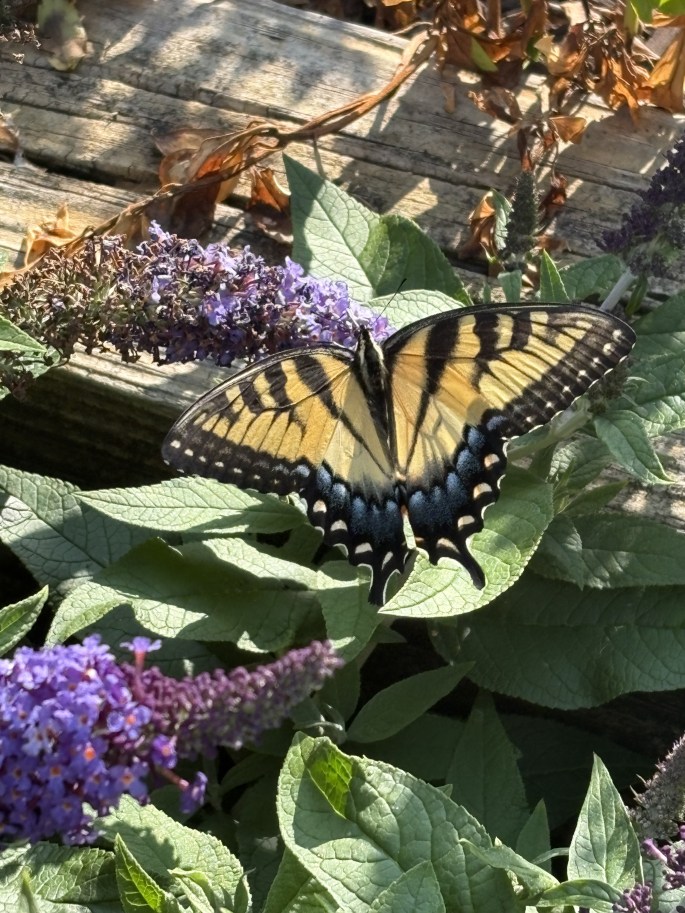
The royalty of butterflies came to my area around the second week in July. I would have between 10 and 20 monarchs most years, but one year, I only had one lone Monarch. I had planted milkweed both the common and swamp varieties which the Monarchs needed for their caterpillars to eat. With each year the milkweed bushes grew bigger and stronger. Sometimes I would have milkweed blooming and no Monarchs, and other times I would have Monarchs with no milkweed blooming. It was hard to tell what the Monarch count would be.
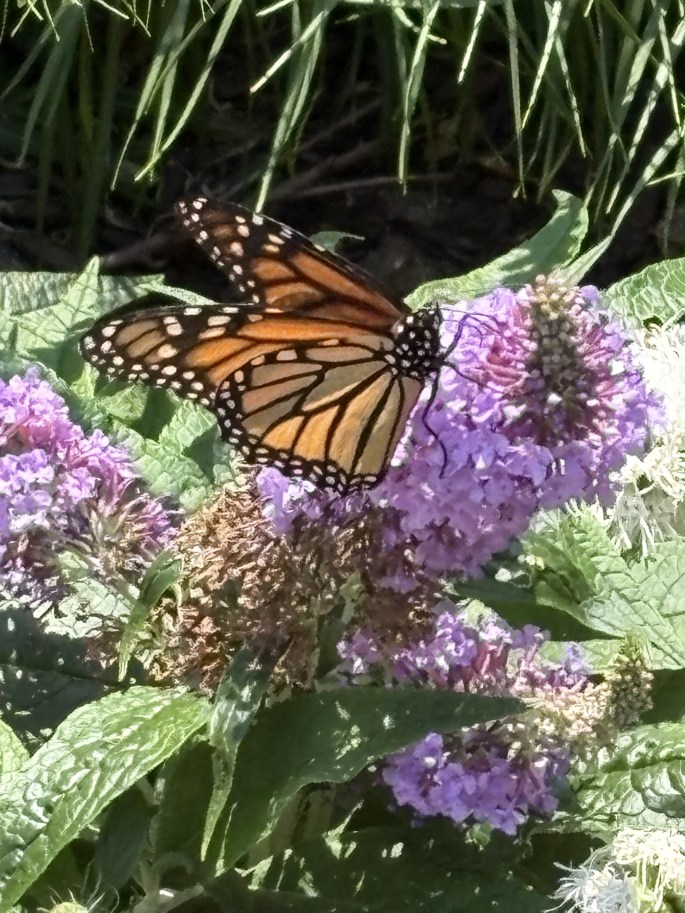
Then, the planets aligned and the milkweed bloomed all summer. It was a bumper crop year for both butterflies and milkweed! I had Monarchs from July until mid-September. There would be a least one Monarch each day. In fact, there were so many Monarchs that I stopped counting – I am sure it was well over a hundred. The garden was full of their favorite plants, but their preferred food by far was the pink swamp milkweed. They would feed a little then they fly around catching a breeze and then back to feeding. If a four-inch butterfly can be happy, the Monarchs were. I witnessed them mating, laying eggs, and this year we had caterpillars. Babies!!! I imagine that the caterpillars that turn into butterflies this year would be the ones to migrate south and maybe all the way to Mexico where Eastern Monarchs winter.
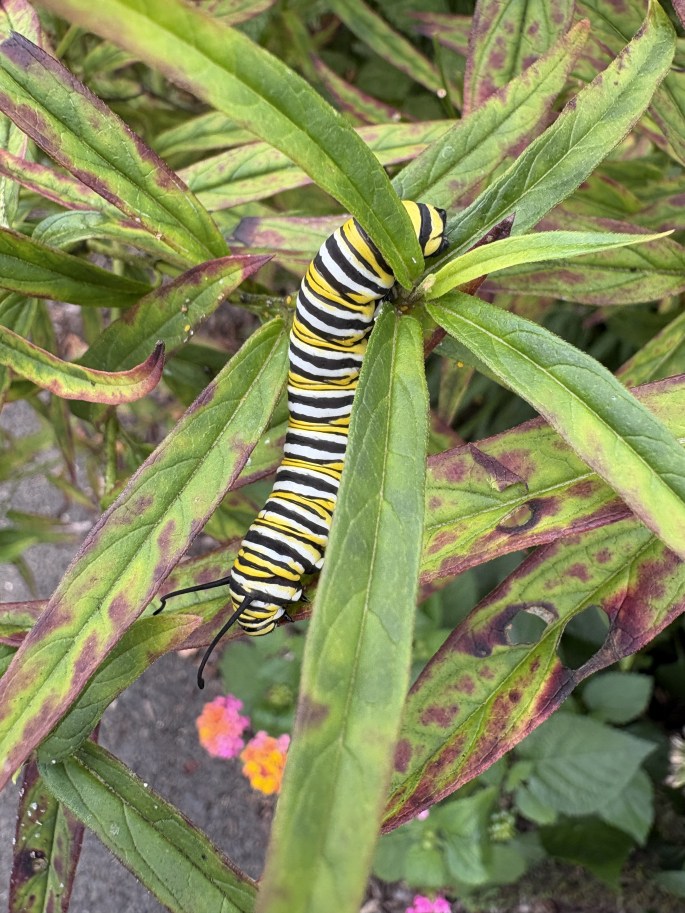
This past winter the Monarch Butterfly population increased 64% in Mexico. After years of decline from record breaking numbers in the 90s, numbers were up. This is miracle in the making, but this miracle had a lot of help from people. More people have planted milkweed which makes a friendly environment for the Monarchs. Rather than cutting down the habitat, Mother Nature was left to naturally tend her gardens by providing space for wild milkweed. Fellow gardeners have planted indigenous milkweed to encourage Monarch populations in their area.
My neighborhood nature friends have planted more milkweed for these beautiful flying flowers, and it has really paid off. One friend had 20 Monarch caterpillars on her milkweed this year. My brother Tim is now planting a pollinator garden in his yard. He has fallen in love with their magic. Once that happens, you are hooked, and you want to help the butterflies and bees anyway that you can. I am collecting milkweed seeds as the flowers turn to seed to give away so others can begin their gardens. Many people throughout the country have done just that and collectively we are making a difference.
So, I end on a hopeful, positive note. I do hope this is a trend and not an anomaly of just one year. However, I will always remember the summer of 2026 as my butterfly summer. It was such joy to watch them dance around the garden. They will always be dancing in my heart.

