
I was scheduled to attend the 100th birthday party of a dear uncle. Planning the road trip for a 19-hour drive was exciting. Riding along would be my sister, cousin, and another aunt who is 94-years old. What a celebration it would be. But then my aunt – my mother’s 96-year-old twin sister called to say my uncle had passed away. Only a few weeks before turning 100. I was sad. He was a special man.
The birthday party is now a Celebration of Life. This event, and other things happening in the world caused me to wonder: “Can a person find joy when suffering a loss?” “Is bad necessary for good to have meaning?”

Finding the “silver lining” can often feel like a cliché—especially when you’re in the middle of a storm. However, finding goodness during difficult times isn’t about pretending the bad doesn’t exist; it’s about expanding your perspective to see what else is present.
I pondered how to navigate the darkness without losing sight of the light. Here are some insights that may help when the “bad” things happen, whether loss of a loved one, a war, a fire, or some other occurrence that is somewhat negative.
The first step to finding goodness is facing reality. The internal “this shouldn’t be happening” often creates more suffering than the event itself. Try practicing radical acceptance and stop pouring energy into the “why”. Start focusing on “what now?” Acceptance creates the mental space necessary to notice the small, positive details you might otherwise miss.
Fred Rogers famously advised: “Look for the helpers. You will always find people who are helping.” When bad things happen, they often trigger a wave of human connection. Look for the friend who checks in, the stranger who offers a hand, or the professional who provides clarity. The goodness is often found in the collective empathy that a crisis ignites.
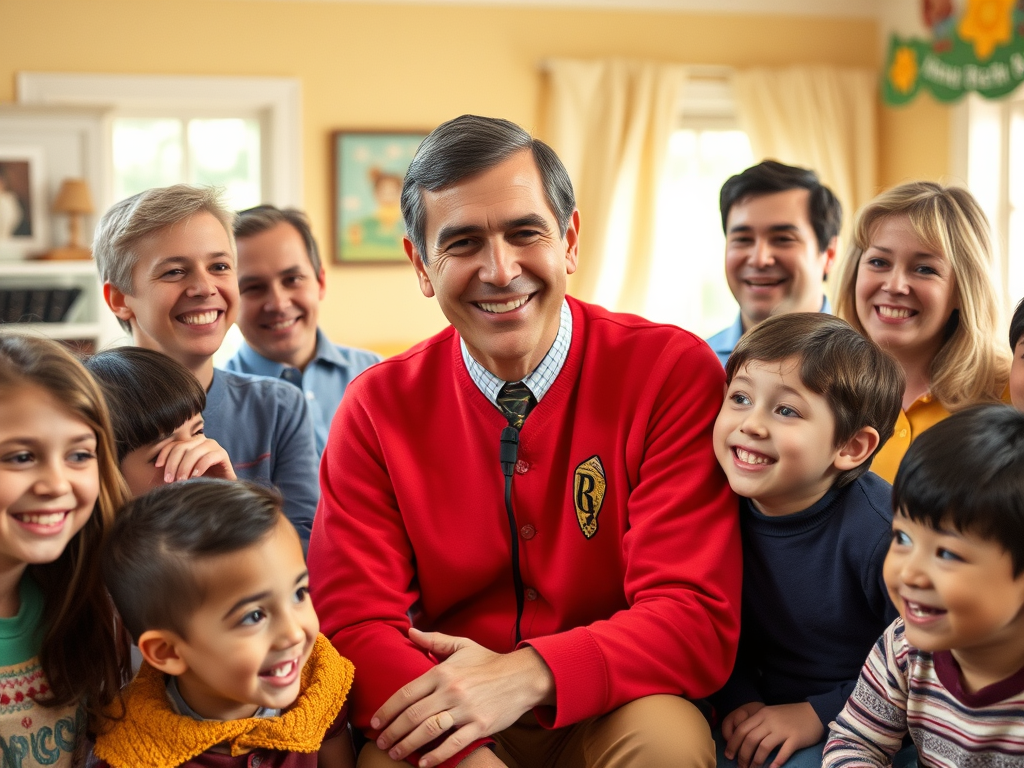
When the big picture is bleak, shrink your world. You don’t need to find a grand purpose in your pain immediately. Instead, look for micro-joys:

- The warmth of a cup of coffee.
- A moment of quiet in a chaotic day.
- A bird landing outside your window.
- The fact that you handled a difficult hour with grace.
These aren’t distractions; they are evidence that life is still functioning and capable of providing comfort.
Language shapes our reality. When we say, “I’m happy, but this bad thing happened,” we negate the happiness. If you switch to “and,” you allow both truths to exist simultaneously: “I am grieving, (scared, depressed, etc.) and I am grateful for the support I have.” This allows you to honor your pain without letting it erase the goodness that remains.
Bad experiences are often the most fertile ground for personal evolution. Ask yourself:
- What strength am I discovering that I didn’t know I had?
- How is this shifting my priorities for the better?
- What am I learning from my reaction to this situation?
The “goodness” isn’t in the bad event itself, but in the resilience you build because of it.
Finding goodness isn’t a destination; it’s a muscle. The more you look for it, the more your brain becomes wired to find it. You aren’t ignoring the “bad”—you are simply refusing to let it be the only thing you see.
No tree, it is said, can grow to heaven unless its roots reach down to hell._ ~Carl Jung
 Silver Sage Sisters