
“JUNIE,” by Erin Crosby Eckstine, is a compelling literary work of historical fiction that delves into the complexities of family ties, personal identity, and the enduring spirit of its protagonist. With a narrative that is both heartfelt and evocative, Eckstine creates a world that is at once intimate and universally relatable, drawing readers into the emotional journey of Junie herself.
The story centers around Junie, a young woman navigating the turbulent waters of slavery, adolescence, and early adulthood. Set primarily on a struggling plantation, the novel explores themes of belonging and alienation as Junie grapples with family secrets, shifting relationships, and the challenges of self-discovery. Eckstine masterfully weaves together past and present, allowing readers to uncover layers of Junie’s history and the factors that have shaped her worldview.
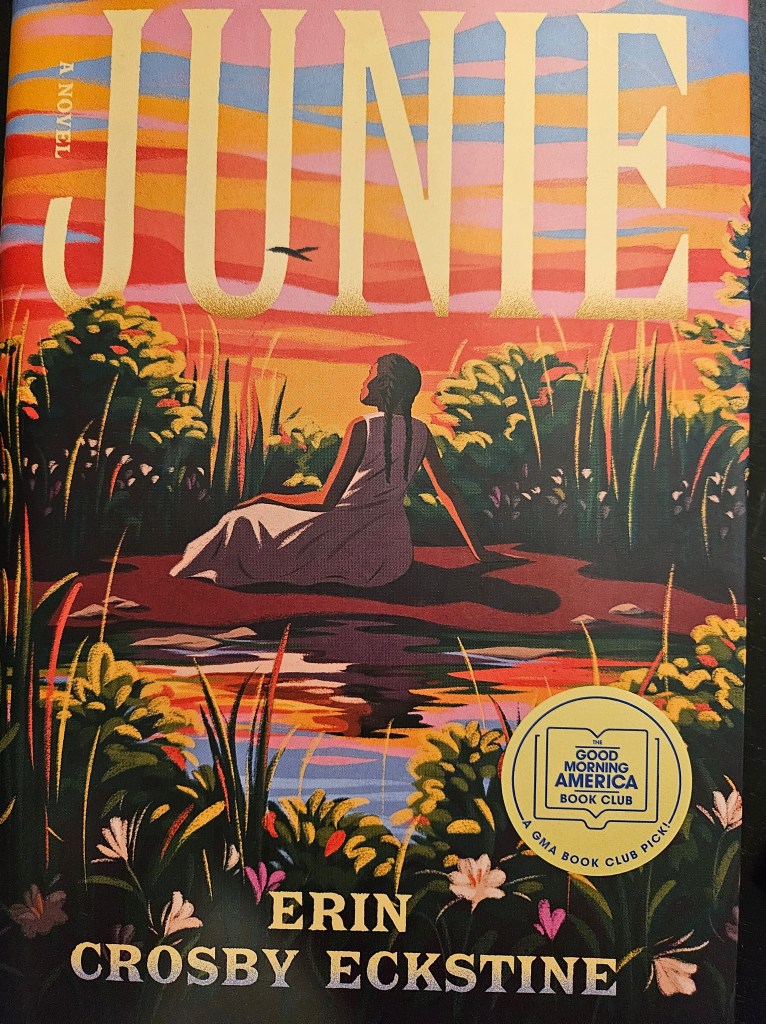
Eckstine excels in this novel with her character development. Junie is portrayed with remarkable depth, her vulnerabilities and strengths both realistic and endearing. Supporting characters—family members, friends, and romantic relationships —are equally well-drawn, each contributing to Junie’s growth in meaningful ways. Eckstine’s empathetic approach ensures that even secondary characters feel authentic, their interactions with Junie serving as catalysts for pivotal moments in the narrative.
Eckstine’s prose is lyrical yet accessible, balancing poetic descriptions with straightforward dialogue. Some reviews felt the first of the novel moved too slowly, however, the novel’s pacing allows for reflection, giving readers space to consider the emotional weight of Junie’s experiences. The pacing allows for deeper characterization. Central themes include the search for identity, the importance of forgiveness, and the resilience required to overcome adversity. Eckstine also touches on issues such as generational trauma and the power dynamics within families, offering thoughtful commentary without becoming didactic.
The book excels in its emotional resonance and authenticity. I found myself rooting for Junie, invested in her struggles and triumphs. Eckstine’s ability to evoke empathy is notable, making the narrative both moving and memorable.
Overall, “JUNIE” by Erin Crosby Eckstine stands out as a beautifully rendered exploration of family, identity, and resilience. The novel’s introspective tone, strong character work, and nuanced handling of difficult themes make it a rewarding read for those who appreciate literary historical fiction with heart and substance. Eckstine’s debut marks her as a promising voice, and “JUNIE” is certain to resonate with readers long after the final page is turned.
 Silver Sage Sisters